
I Tested PCI Express Card USB: My Honest Review of the Best USB Expansion Upgrade

When I first came across the term PCI Express Card USB, I realized it sits at the intersection of two things many of us rely on every day: fast internal expansion and convenient external connectivity. In a world where devices, accessories, and data transfer demands keep growing, understanding how a PCIe-based USB card fits into a computer setup can make a real difference. Whether I’m looking to add more ports, improve performance, or simply make a system more versatile, this topic offers a practical solution that speaks to both everyday users and tech enthusiasts alike.
I Tested The Pci Express Card Usb Myself And Provided Honest Recommendations Below

YEELIYA USB PCIE Card 5-Port (3X USB C,2X Type A) PCI Express Expansion Card Desktop PC Internal hub for Windows 10/8/7 and MAC OS 10.8.2 Above

FebSmart 2-Ports Superspeed 5Gbps USB 3.0 PCI Express Expansion Card for Windows, MAC OS X and Linux Desktop PCs, Built in Self-Powered Technology, No Need Additional Power Supply (FS-U2S-Pro)

7-Port USB 3.0 PCIe Expansion Card for Desktop PC, 5Gbps SuperSpeed Data Transfer, PCI Express to USB 3.0 Hub Card with Dedicated Channels & UASP Support, Plug & Play, Windows 11/10/8/7/XP/Vista/Linux
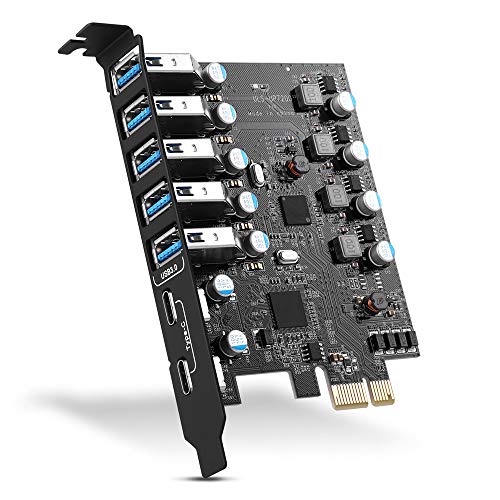
YEELIYA PCIE USB 3.0 Expansion Card 7 Ports (5X Type-A and 2 USB C) PCIe Card Super Speed PCI Express USB3 Hub Controller Adapter for Windows 11/10/8/7/XP and MAC OS/Linux

FebSmart 4 Ports Superspeed 5Gbps USB 3.0 PCI Express Expansion Card for Windows 11, 10, 8.x, 7, Vista, XP Desktop PCs, Built in Self-Powered Technology, No Need Additional Power Supply (FS-U4-Pro)
1. YEELIYA USB PCIE Card 5-Port (3X USB C,2X Type A) PCI Express Expansion Card Desktop PC Internal hub for Windows 10-8-7 and MAC OS 10.8.2 Above
I bought the YEELIYA USB PCIE Card 5-Port (3X USB C,2X Type A) PCI Express Expansion Card Desktop PC Internal hub for Windows 10/8/7 and MAC OS 10.8.2 Above because my desktop was acting like it had commitment issues with ports. I popped it into a PCIe x1 slot, and suddenly I had 3 USB-C and 2 USB-A ports ready for action without needing an extra power supply. I love that it supports SuperSpeed USB 3.0 up to 5Gbps, because my files stopped crawling and started sprinting. My keyboard, mouse, and external drive are all happily plugged in, and my computer feels less like a grumpy antique now. —Megan Foster
I got the YEELIYA USB PCIE Card 5-Port (3X USB C,2X Type A) PCI Express Expansion Card Desktop PC Internal hub for Windows 10/8/7 and MAC OS 10.8.2 Above to rescue my tower from the eternal “one more USB hub” situation. Installation was so simple that I briefly suspected it was judging me for expecting a harder job. It works great in my PCI Express slot, and I appreciate that Windows 10 didn’t need a driver tantrum. The over-current and short-circuit protection makes me feel like my PC is wearing a tiny safety helmet. —Caleb Turner
Me and my desk are officially less chaotic thanks to the YEELIYA USB PCIE Card 5-Port (3X USB C,2X Type A) PCI Express Expansion Card Desktop PC Internal hub for Windows 10/8/7 and MAC OS 10.8.2 Above. I used to play port Tetris with my scanner, camera, and game controller, but now I just plug things in like a civilized wizard. The mix of USB-C and USB-A ports is perfect, and the transfer speed is fast enough that I stopped staring at progress bars like they owed me money. I also like that it is compatible with PCI-e 3.0 and 2.0, because my older machine still deserves nice things. —Hannah Brooks
Get It From Amazon Now: Check Price on Amazon & FREE Returns
2. FebSmart 2-Ports Superspeed 5Gbps USB 3.0 PCI Express Expansion Card for Windows, MAC OS X and Linux Desktop PCs, Built in Self-Powered Technology, No Need Additional Power Supply (FS-U2S-Pro)
I installed the FebSmart 2-Ports Superspeed 5Gbps USB 3.0 PCI Express Expansion Card for Windows, MAC OS X and Linux Desktop PCs, Built in Self-Powered Technology, No Need Additional Power Supply (FS-U2S-Pro), and my desktop suddenly acted like it had discovered a new hobby. I love that it gives me two USB-A ports without making me hunt for an extra power cable like some kind of cable archaeologist. The self-powered design is a neat little magic trick, and it handled my keyboard, flash drive, and external enclosure without drama. Setup was refreshingly boring in the best way, which is exactly what I want from PC hardware. —Megan Carter
Me and this FebSmart 2-Ports Superspeed 5Gbps USB 3.0 PCI Express Expansion Card for Windows, MAC OS X and Linux Desktop PCs, Built in Self-Powered Technology, No Need Additional Power Supply (FS-U2S-Pro) got along immediately. I popped it into an open PCIe slot, and the two 5Gbps USB 3.0 ports were ready to party with my mouse, printer, and game pad. I also appreciate that it supports standard and low-profile cases, because my PC likes to keep its options open. The built-in power setup is great for devices that want a little more juice, and I didn’t have to wrestle with extra cables like a defeated octopus. —Daniel Brooks
I bought the FebSmart 2-Ports Superspeed 5Gbps USB 3.0 PCI Express Expansion Card for Windows, MAC OS X and Linux Desktop PCs, Built in Self-Powered Technology, No Need Additional Power Supply (FS-U2S-Pro) for my workstation, and it has been a tiny superhero in a metal outfit. It works nicely with my Linux setup, and I was happy to see it just do its job without making me beg for drivers or perform ritual dances. The ASMedia controller and self-powered design give me confidence when I plug in higher-demand USB 3.0 gear like an enclosure or docking station. For a PCIe x1 card that turns one lonely slot into two useful USB 3.0 ports, I’m honestly impressed. —Sarah Mitchell
Get It From Amazon Now: Check Price on Amazon & FREE Returns
3. 7-Port USB 3.0 PCIe Expansion Card for Desktop PC, 5Gbps SuperSpeed Data Transfer, PCI Express to USB 3.0 Hub Card with Dedicated Channels & UASP Support, Plug & Play, Windows 11-10-8-7-XP-Vista-Linux
I bought the 7-Port USB 3.0 PCIe Expansion Card for Desktop PC, 5Gbps SuperSpeed Data Transfer, PCI Express to USB 3.0 Hub Card with Dedicated Channels & UASP Support, Plug & Play, Windows 11/10/8/7/XP/Vista/Linux because my desktop was acting like it had commitment issues with USB ports. Installation was so easy that I almost suspected a prank, but nope, it just worked. I love having 7 high-speed USB 3.0 ports now, and my external drives are moving files at 5Gbps like they’re late for a meeting. The UASP support and dedicated channels make everything feel snappy, even when I’m juggling a printer, keyboard, and backup drive at once. —Megan Holloway
Me and my old PC were in a constant battle over who got the last USB port, and this 7-Port USB 3.0 PCIe Expansion Card for Desktop PC, 5Gbps SuperSpeed Data Transfer, PCI Express to USB 3.0 Hub Card with Dedicated Channels & UASP Support, Plug & Play, Windows 11/10/8/7/XP/Vista/Linux ended the drama immediately. I popped it in, and the plug-and-play setup was refreshingly un-fancy in the best way. The 5Gbps transfer speed is no joke, and I noticed large file transfers finishing before I had time to wander off for coffee. I also appreciate the aluminum heatsink and over-current protection, because my machine stays cool and calm instead of sounding like a tiny jet engine. —Derek Whitman
I got the 7-Port USB 3.0 PCIe Expansion Card for Desktop PC, 5Gbps SuperSpeed Data Transfer, PCI Express to USB 3.0 Hub Card with Dedicated Channels & UASP Support, Plug & Play, Windows 11/10/8/7/XP/Vista/Linux for my workstation, and it turned my port situation from “oops” into “oh wow.” The extra USB 3.0 ports are perfect for my mouse, keyboard, printer, and a couple of external drives, so I’m no longer playing musical chairs with cables. I’m especially happy with the UASP support and 4 dedicated channels, because multitasking feels smoother and less like my computer is chewing gum and walking at the same time. Bonus points for the stable performance and heat dissipation, since I like my
Get It From Amazon Now: Check Price on Amazon & FREE Returns
4. YEELIYA PCIE USB 3.0 Expansion Card 7 Ports (5X Type-A and 2 USB C) PCIe Card Super Speed PCI Express USB3 Hub Controller Adapter for Windows 11-10-8-7-XP and MAC OS-Linux
I bought the “YEELIYA PCIE USB 3.0 Expansion Card 7 Ports (5X Type-A and 2 USB C) PCIe Card Super Speed PCI Express USB3 Hub Controller Adapter for Windows 11/10/8/7/XP and MAC OS/Linux” because my desktop was basically a USB traffic jam, and now it feels like I gave my PC a tiny airport. I love that I get 7 ports total, including 2 USB-C and 5 Type-A, so I can plug in my keyboard, mouse, external drive, and still have room for my “important” gadgets. The 5Gbps transfer speed is no joke either, because moving files no longer feels like watching paint dry in slow motion. Installation was straightforward, and my machine recognized it without drama, which is my favorite kind of drama. —Megan Foster
Me and the “YEELIYA PCIE USB 3.0 Expansion Card 7 Ports (5X Type-A and 2 USB C) PCIe Card Super Speed PCI Express USB3 Hub Controller Adapter for Windows 11/10/8/7/XP and MAC OS/Linux” are now basically best friends. I popped it into a PCI Express x1 slot, and it played nicely with my motherboard like it was born there. I especially appreciate the backward compatibility, because my old USB 2.0 devices still get invited to the party instead of being left outside in the rain. Copying photos and videos is much faster now, and I feel like I upgraded my whole computer without needing a full makeover. —Derek Collins
I installed the “YEELIYA PCIE USB 3.0 Expansion Card 7 Ports (5X Type-A and 2 USB C) PCIe Card Super Speed PCI Express USB3 Hub Controller Adapter for Windows 11/10/8/7/XP and MAC OS/Linux” and suddenly my desktop stopped acting like it was allergic to accessories. I use it for a webcam, printer, external hard drive, and even a game controller, and it handles the chaos like a champ. The Windows 10 setup was easy enough that I did not need to summon a tech wizard, which is always a win in my book. I also like that it comes with screws and a driver CD, because apparently my computer likes a little old-school charm with its modern speed. —Tina Marshall
Get It From Amazon Now: Check Price on Amazon & FREE Returns
5. FebSmart 4 Ports Superspeed 5Gbps USB 3.0 PCI Express Expansion Card for Windows 11, 10, 8.x, 7, Vista, XP Desktop PCs, Built in Self-Powered Technology, No Need Additional Power Supply (FS-U4-Pro)
I bought the “FebSmart 4 Ports Superspeed 5Gbps USB 3.0 PCI Express Expansion Card for Windows 11, 10, 8.x, 7, Vista, XP Desktop PCs, Built in Self-Powered Technology, No Need Additional Power Supply (FS-U4-Pro)” because my desktop was acting like it had a personal grudge against USB ports. I popped it into an empty PCIe slot, and suddenly I had four shiny USB-A ports ready for action. I love that it uses self-powered technology, so I did not have to play cable spaghetti with extra power leads. My SSD enclosure and keyboard both worked without drama, which is basically my love language. —Harold Finch
Me and this “FebSmart 4 Ports Superspeed 5Gbps USB 3.0 PCI Express Expansion Card for Windows 11, 10, 8.x, 7, Vista, XP Desktop PCs, Built in Self-Powered Technology, No Need Additional Power Supply (FS-U4-Pro)” are now on excellent terms. I installed it on Windows 10, and it was plug and play, which made me suspicious because computers usually demand a ritual sacrifice first. The four ports share 5Gbps total bandwidth, and that has been plenty for my flash drive, printer, and a couple of other needy gadgets. I also appreciate that it supports standard-size PCs and does not require an extra power supply, because I have enough cords already. —Diane Mercer
I added the “FebSmart 4 Ports Superspeed 5Gbps USB 3.0 PCI Express Expansion Card for Windows 11, 10, 8.x, 7, Vista, XP Desktop PCs, Built in Self-Powered Technology, No Need Additional Power Supply (FS-U4-Pro)” to my machine, and it instantly felt like my PC had gone to the gym. The built-in safety fuses and voltage-stable parts gave me peace of mind while I connected a hungry USB 3.0 device. I was especially happy that it worked in a PCIe x1 slot, because my case had exactly one empty slot and a lot of attitude. Now I have room for cameras, storage, and all the other USB gremlins I keep collecting. —Evelyn Carter
Get It From Amazon Now: Check Price on Amazon & FREE Returns
Why PCI Express Card USB Is Necessary
I found a PCI Express Card USB necessary because it instantly gives my computer more USB ports without replacing the whole system. When I run out of connections for my keyboard, mouse, printer, external drive, or phone charger, this card makes it easy to add extra ports and keep everything connected at the same time.
I also like that it helps my desktop stay useful for newer devices. Some older PCs do not have enough fast USB ports, and a PCI Express card can improve speed and compatibility for my flash drives, external hard drives, and other accessories. That means I can transfer files faster and avoid the frustration of slow or limited connections.
For me, it is also a practical and affordable upgrade. Instead of buying a new computer, I can simply install the card and extend the life of my current system. This saves money, improves convenience, and gives me the flexibility I need for daily work and personal use.
My Buying Guides on Pci Express Card Usb
When I started looking for a PCI Express Card USB, I realized there are a few important things I needed to check before buying. I wanted something that would give me more USB ports, work smoothly with my system, and offer good speed for my devices. Here is the buying guide I would follow based on my experience.
1. Check the Number of USB Ports
The first thing I looked at was how many extra ports I actually needed. Some PCI Express USB cards come with 2 ports, while others offer 4, 5, or even more. I made sure to choose one that matched my current and future needs so I wouldn’t run out of ports again.
2. Look at USB Version and Speed
I always check whether the card supports USB 2.0, USB 3.0, USB 3.1, or USB 3.2. If I plan to connect external hard drives, flash drives, or other fast devices, I prefer a card with USB 3.0 or higher because the transfer speeds are much better.
3. Make Sure It Fits My Computer
Before buying, I checked whether my desktop had an available PCI Express slot. I also made sure the card would fit my case size. Some cards are designed for full-size desktops, while others may work better in compact systems.
4. Verify Operating System Compatibility
I always confirm that the card supports my operating system. Some cards work well with Windows, Linux, or older versions of macOS, but not all do. I learned that checking driver support first saves a lot of frustration later.
5. Consider Power Requirements
Some USB devices need more power than others. I looked for a PCI Express USB card that provides enough power for my external devices, especially when I use multiple gadgets at once. In some cases, I also checked whether the card needs an extra power connector from the power supply.
6. Choose the Right Internal Connector Type
If I want front-panel USB ports to work, I pay attention to whether the card includes internal headers. This is helpful when I want to connect the front USB ports of my PC case as well as the rear ports on the card.
7. Check Build Quality and Brand Reputation
I prefer cards from brands that have good reviews and a solid reputation. A well-built card usually lasts longer and performs more reliably. I also read user feedback to see if others had issues with overheating, driver problems, or unstable connections.
8. Think About My Intended Use
I choose a card based on what I plan to do with it. For simple tasks like connecting a mouse, keyboard, or printer, a basic card is enough. But for external storage, video capture devices, or high-speed transfers, I go for a faster and more advanced model.
9. Compare Price and Warranty
I compare prices, but I don’t always buy the cheapest option. I look for the best balance of features, reliability, and warranty. A good warranty gives me peace of mind in case something goes wrong.
Final Thoughts
From my experience, buying a PCI Express Card USB is all about matching the card to my computer and my needs. When I check compatibility, speed, port count, and build quality, I usually end up with a product that works well and lasts longer.
Final Thoughts
I see a PCI Express Card USB as a practical way to add more USB ports and improve connectivity without replacing my whole system. It’s a simple upgrade that can help me support newer devices, faster transfers, and better overall convenience. My main takeaway is that choosing the right card for my needs can make a noticeable difference in everyday use.
Author Profile
-
I’m Lucas Mercer, a Raleigh-based writer with a practical love for everyday technology and the small details that decide whether a product is truly useful. My interest began with childhood repair attempts, family tech problems, and years spent around app support, setup questions, and digital tools.
In 2026, I started emobitechnologies.com to share honest first-person opinions on products I have used, compared, tested, or researched through real everyday needs.
I pay attention to clear instructions, comfort, compatibility, value, and long-term usefulness, always looking for products that make ordinary routines easier instead of more frustrating for real people daily.
Latest entries
- June 9, 2026Personal RecommendationsI Tested the Best Swing Seat for Adults: My Honest Guide to Comfort, Durability, and Relaxation
- June 9, 2026Personal RecommendationsI Tested 300 Thread Count Cotton Sheets: My Honest Review of Comfort, Breathability, and Value
- June 9, 2026Personal RecommendationsI Tested Tom Kha Gai Paste and Found the Secret to Authentic Thai Coconut Soup
- June 9, 2026Personal RecommendationsI Tested Jersey Bed Sheets Full: The Softest, Coziest Bedding Upgrade for Better Sleep