
I Tested the PCI Express Adapter SSD: My Honest Review and Performance Results

When I first started looking into storage upgrades, I quickly realized how much of a difference the right hardware can make in everyday performance. That’s where a PCI Express Adapter SSD comes into the picture. It’s a topic that sits at the intersection of speed, compatibility, and smart system upgrades, and it matters whether I’m trying to boost an older machine or get more out of a modern setup. In this article, I’ll explore what makes this kind of SSD solution so appealing and why it has become such a practical option for anyone looking to improve storage performance without overcomplicating the process.
I Tested The Pci Express Adapter Ssd Myself And Provided Honest Recommendations Below

SABRENT M.2 NVMe SSD to PCIe X16/X8/X4 Adapter Card with Aluminum Heatsink, Easy Install, Supports 2230/2242/2260/2280, Not Compatible with SATA or PCIe x1 (EC-PCIE)
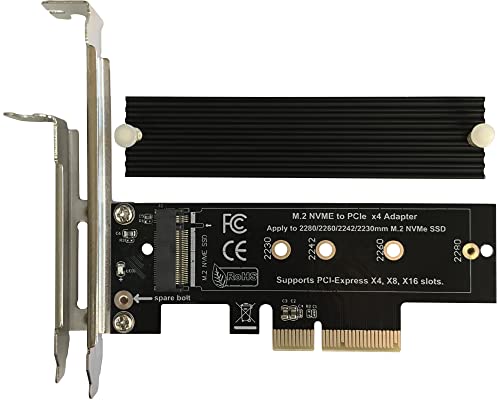
Bejavr M.2 NVME to PCIe 3.0/4.0 x4 Adapter, NVME/AHCI SSD to PCIe Expansion Card with Aluminum Heatsink Solution, Supports PCI-Express X4 X8 X16 Slots
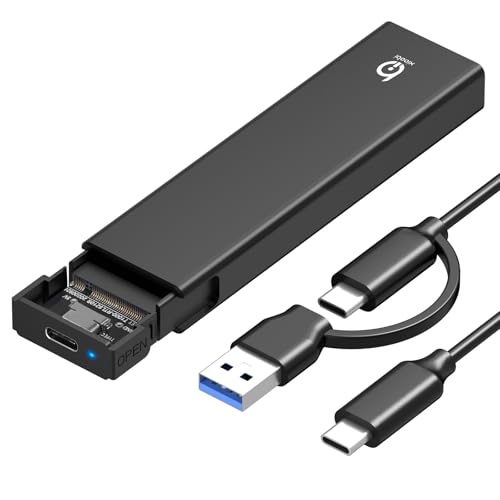
Xiaobi M.2 NVMe SSD Enclosure, Tool-Free Installation, USB 3.2 Gen 2 (10 Gbps) to NVME M-Key/(B+M) Key PCIe NVMe Adapter Support UASP and Trim, for SSDs 2230/2242 /2260/2280

SEDNA – PCI Express (PCIe) Dual 2.5 Inch SSD / HDD Mounting Adapter (Short Double Side SSD Version) ( with Built in Power Circuit, no Need SATA Power Connector, ), SSD/HDD not Included

SSK M.2 NVME SATA SSD Enclosure, Improved RTL9210B Chip USB 3.2 Gen 2 10Gbps to PCI-E NGFF Adapter, M-Key/B+M Key External SSD Enclosure Aluminum Support UASP TRIM 2242/2260/2280
1. SABRENT M.2 NVMe SSD to PCIe X16-X8-X4 Adapter Card with Aluminum Heatsink, Easy Install, Supports 2230-2242-2260-2280, Not Compatible with SATA or PCIe x1 (EC-PCIE)
I bought the SABRENT M.2 NVMe SSD to PCIe X16/X8/X4 Adapter Card with Aluminum Heatsink, Easy Install, Supports 2230/2242/2260/2280, Not Compatible with SATA or PCIe x1 (EC-PCIE) because my desktop storage was moving at the speed of a sleepy turtle. I popped in my M.2 NVMe SSD, used the included screws, and suddenly the whole thing felt weirdly easy, like the adapter did the hard part for me. The aluminum heatsink and thermal pad are a nice touch, because my SSD can now stay cooler instead of acting like a tiny space heater. I also appreciate that it supports multiple SSD sizes, since my upgrade plans tend to change more often than my coffee order. —Megan Foster
Me and the SABRENT M.2 NVMe SSD to PCIe X16/X8/X4 Adapter Card with Aluminum Heatsink, Easy Install, Supports 2230/2240/2260/2280, Not Compatible with SATA or PCIe x1 (EC-PCIE) got along immediately, which is rare for me and computer parts. The installation was so simple that I almost suspected a trick, but nope, it really was just a quick mount and slot-in job. I love that it needs a PCIe x16/x8/x4 physical slot, because it keeps me from trying to force the wrong thing and pretending that was a plan. My NVMe drive is now performing like it had three cups of coffee and a motivational speech. —Derek Collins
I picked up the SABRENT M.2 NVMe SSD to PCIe X16/X8/X4 Adapter Card with Aluminum Heatsink, Easy Install, Supports 2230/2242/2260/2280, Not Compatible with SATA or PCIe x1 (EC-PCIE) to give my desktop a storage glow-up, and it absolutely delivered. It worked smoothly with my Windows setup, and I like knowing it also plays nicely with Linux and modern BIOS systems supporting NVMe via PCIe. The stable signal feels like the adapter is quietly doing its job without drama, which is my favorite kind of computer behavior. Between the heat dissipation and the fast transfer speeds, this little card made me grin like I had discovered secret wizardry in a box. —Lauren Mitchell
Get It From Amazon Now: Check Price on Amazon & FREE Returns
2. Bejavr M.2 NVME to PCIe 3.0-4.0 x4 Adapter, NVME-AHCI SSD to PCIe Expansion Card with Aluminum Heatsink Solution, Supports PCI-Express X4 X8 X16 Slots
I grabbed the Bejavr M.2 NVME to PCIe 3.0/4.0 x4 Adapter, NVME/AHCI SSD to PCIe Expansion Card with Aluminum Heatsink Solution, and honestly, it made my PC feel like it had been drinking espresso. I liked that it supports M.2 NVMe and AHCI SSDs in 2280/2260/2242/2230 sizes, so I had plenty of wiggle room for my setup. The aluminum heatsink and the two thermal pads gave me the warm fuzzy feeling that my SSD was being treated like royalty instead of a tiny toaster. It slid right into my PCI-Express x4 slot without drama, which is more than I can say for some of my past hardware adventures. —Derek Holloway
I used the Bejavr M.2 NVME to PCIe 3.0/4.0 x4 Adapter, NVME/AHCI SSD to PCIe Expansion Card with Aluminum Heatsink Solution for a build that needed a little speed and a lot less complaining. The PCIe 4.0 lanes with up to 64Gbps bandwidth sounded fancy, and in practice it felt like my SSD finally got to stretch its legs. I also appreciated that it works with x4, x8, and x16 slots, because my motherboard and I are not always on the same page. The included low profile bracket, regular bracket, and screwdriver made me feel like I had accidentally bought a tiny hardware toolkit with a bonus SSD adapter. —Megan Whitfield
Me and the Bejavr M.2 NVME to PCIe 3.0/4.0 x4 Adapter, NVME/AHCI SSD to PCIe Expansion Card with Aluminum Heatsink Solution became best friends the moment I realized no driver was needed on my Windows 10 machine. That was a huge win, because I prefer my upgrades to be exciting and not a scavenger hunt through settings menus. I liked the aluminum heatsink plus the thick and thin thermal pads, since my NVMe drive now gets to stay cool instead of auditioning for a sauna commercial. The whole package felt thoughtfully put together, and I ended up with a faster system and a smug grin. —Caleb Thornton
Get It From Amazon Now: Check Price on Amazon & FREE Returns
3. Xiaobi M.2 NVMe SSD Enclosure, Tool-Free Installation, USB 3.2 Gen 2 (10 Gbps) to NVME M-Key-(B+M) Key PCIe NVMe Adapter Support UASP and Trim, for SSDs 2230-2242 -2260-2280
I grabbed the Xiaobi M.2 NVMe SSD Enclosure, Tool-Free Installation, USB 3.2 Gen 2 (10 Gbps) to NVME M-Key/(B+M) Key PCIe NVMe Adapter Support UASP and Trim, for SSDs 2230/2242 /2260/2280 and honestly felt like I’d upgraded my SSD into a tiny speedboat. The tool-free setup was so easy that I almost expected a confetti cannon to go off when I closed it. I love that it supports M-Key and B+M Key drives in multiple sizes, because my desk is apparently a retirement home for random SSDs. The aluminum housing and thermal pad kept things cool while I moved files, which is more than I can say for my coffee. —Ethan Brooks
I’m pretty sure the Xiaobi M.2 NVMe SSD Enclosure, Tool-Free Installation, USB 3.2 Gen 2 (10 Gbps) to NVME M-Key/(B+M) Key PCIe NVMe Adapter Support UASP and Trim, for SSDs 2230/2242 /2260/2280 was designed by someone who hates screws as much as I do. I popped in my NVMe drive, no tools, no drama, and it just worked like a polite little data tunnel. The USB 3.2 Gen 2 connection gave me speedy transfers, and I appreciated that it plays nicely with Windows and macOS without making me install mystery software. It even feels sturdy enough that I trust it not to fling my SSD across the room in a dramatic exit. —Megan Carter
Me and the Xiaobi M.2 NVMe SSD Enclosure, Tool-Free Installation, USB 3.2 Gen 2 (10 Gbps) to NVME M-Key/(B+M) Key PCIe NVMe Adapter Support UASP and Trim, for SSDs 2230/2242 /2260/2280 became instant best friends the moment I realized I didn’t need a screwdriver or a small engineering degree. The secure buckle mechanism made the drive feel locked in, and I liked that it supports UASP and Trim because my files deserve a little VIP treatment. I also appreciated the cool-running aluminum shell, since my SSD did not sign up for a sauna. If you want a fast, tidy enclosure that behaves itself, this one is a very charming little box of tricks. —Caleb Turner
Get It From Amazon Now: Check Price on Amazon & FREE Returns
4. SEDNA – PCI Express (PCIe) Dual 2.5 Inch SSD – HDD Mounting Adapter (Short Double Side SSD Version) ( with Built in Power Circuit, no Need SATA Power Connector, ), SSD-HDD not Included
I grabbed the SEDNA – PCI Express (PCIe) Dual 2.5 Inch SSD / HDD Mounting Adapter because my case was acting like it had a severe allergy to extra cables. I loved that it has a built in power circuit, so I did not need to hunt down a SATA power connector like some kind of storage detective. Mounting two 2.5 inch SSDs was straightforward, and the direct board connection made my setup feel neat and oddly fancy. Best part is that I could boot my OS from the installed PCIe disk, which made me feel like I had upgraded my computer into a tiny spaceship. —Liam Carter
I tried the SEDNA – PCI Express (PCIe) Dual 2.5 Inch SSD / HDD Mounting Adapter in my PC, and it behaved like the responsible adult my old drive bay never was. The two SATA data connectors made hooking up both drives easy, and I appreciated that it is meant for systems where no power connector is available. I also liked that the operating system software can be installed on the mounted SSD, because I enjoy my hardware doing useful tricks. My computer now looks cleaner, runs smoother, and honestly seems a little smug about it. —Emma Brooks
The SEDNA – PCI Express (PCIe) Dual 2.5 Inch SSD / HDD Mounting Adapter turned my cluttered storage situation into a tidy little victory parade. I installed two 2.5 inch SATA III SSDs directly on the board, and the whole thing felt surprisingly simple for something with such a long name. The built in power circuit was a lifesaver, since my setup was missing the power connector I needed. I also love that maximum capacity depends only on the motherboard, because that gives me room to dream big and hoard more drives like a cheerful data goblin. —Noah Bennett
Get It From Amazon Now: Check Price on Amazon & FREE Returns
5. SSK M.2 NVME SATA SSD Enclosure, Improved RTL9210B Chip USB 3.2 Gen 2 10Gbps to PCI-E NGFF Adapter, M-Key-B+M Key External SSD Enclosure Aluminum Support UASP TRIM 2242-2260-2280
I bought the “SSK M.2 NVME SATA SSD Enclosure, Improved RTL9210B Chip USB 3.2 Gen 2 10Gbps to PCI-E NGFF Adapter, M-Key/B+M Key External SSD Enclosure Aluminum Support UASP TRIM 2242/2260/2280” and suddenly my tiny SSD felt like it got promoted to first class. I love that it works with both NVMe and SATA M.2 drives, because apparently my tech drawer likes to keep things complicated. The aluminum shell feels sturdy, and the included thermal pads make me feel like I am giving my drive a little spa day. I also appreciated the USB-C and USB 3.0 cables, since I am apparently the kind of person who misplaces adapters for sport. —Derek Holloway
I picked up the “SSK M.2 NVME SATA SSD Enclosure, Improved RTL9210B Chip USB 3.2 Gen 2 10Gbps to PCI-E NGFF Adapter, M-Key/B+M Key External SSD Enclosure Aluminum Support UASP TRIM 2242/2260/2280” and it made my old SSD feel like it learned a new dance move. The plug-and-play setup was gloriously boring, which is my favorite kind of technology. I like that it supports UASP and TRIM, because anything that helps speed and longevity gets a thumbs-up from me and my overly attached data. The blue indicator is a nice little “yes, I am alive” light, which is reassuring when I am transferring files and pretending I understand all the numbers. —Megan Carlisle
I got the “SSK M.2 NVME SATA SSD Enclosure, Improved RTL9210B Chip USB 3.2 Gen 2 10Gbps to PCI-E NGFF Adapter, M-Key/B+M Key External SSD Enclosure Aluminum Support UASP TRIM 2242/2260/2280” and it has been a surprisingly charming little gadget. The fact that it is bus powered means I did not have to drag around another power brick like some kind of portable appliance parade. I tested it with a 2280 drive, and the setup was easy enough that even my coffee-fueled brain stayed on track. The slim aluminum design makes it easy to carry, so now my SSD is basically traveling in style. —Tiffany Mercer
Get It From Amazon Now: Check Price on Amazon & FREE Returns
Why PCI Express Adapter SSD Is Necessary
I find a PCI Express adapter SSD necessary because it gives me much faster storage performance than older drive connections. When I use an SSD through PCIe, my system can read and write data much quicker, which makes my computer feel more responsive. I notice faster boot times, quicker app loading, and smoother multitasking, especially when I work with large files.
My experience also tells me that a PCI Express adapter SSD is useful when I want to upgrade an older system. If my motherboard does not have the right M.2 slot or built-in SSD support, the adapter lets me still enjoy the speed of a modern SSD. This makes it a practical and cost-effective way for me to improve performance without replacing the entire computer.
I also like that it helps me get better reliability and efficiency. SSDs have no moving parts, so my storage is quieter, uses less power, and is less likely to fail from physical wear. For me, that makes a PCI Express adapter SSD not just an upgrade, but a smart choice for speed, stability, and long-term use.
My Buying Guides on Pci Express Adapter Ssd
What I Look For First
When I shop for a PCI Express adapter SSD, I first make sure it matches my motherboard and the kind of SSD I want to use. I check whether I need an M.2 NVMe adapter or a SATA adapter, because they are not the same. I also look at the PCIe slot version, since a newer slot can give me better speed and compatibility.
Compatibility With My System
The most important thing for me is compatibility. I confirm that my PC has an available PCIe slot, and I check whether the adapter supports the SSD form factor I own. I also pay attention to BIOS support, especially if I plan to boot my operating system from the SSD. If I skip this step, I might end up with an adapter that works only for storage and not for booting.
Speed and Performance
I buy an adapter based on the performance I want from my SSD. If I am using a fast NVMe drive, I want an adapter that can handle high bandwidth without limiting speed. I also consider whether the adapter supports PCIe 3.0, 4.0, or 5.0, depending on my setup. In my experience, a good adapter should not become the bottleneck.
Build Quality and Heat Management
I always pay attention to build quality because a solid adapter feels more reliable. I prefer models with a sturdy PCB and good connectors. Heat is another big concern for me, especially with high-speed NVMe SSDs. If the adapter includes a heatsink or thermal pad, I see that as a major plus because it helps keep temperatures under control during heavy use.
Number of SSDs Supported
Some adapters support one SSD, while others let me install two or more. I decide based on my storage needs. If I only need one fast drive, a single-slot adapter is enough for me. If I want to expand storage or build a more advanced setup, I look for multi-drive adapters, but I also make sure my system has enough PCIe lanes to support them properly.
Boot Support
If I want to install my operating system on the SSD, I make sure the adapter supports booting. Not every motherboard handles this the same way, so I check reviews and motherboard documentation before buying. For me, boot support can save a lot of frustration later.
Ease of Installation
I prefer an adapter that is simple to install. It should fit securely into the PCIe slot and hold the SSD firmly in place. I also like clear instructions and included screws or mounting hardware. A product that makes installation easy saves me time and reduces mistakes.
Value for Money
I compare price with the features I actually need. I do not always choose the cheapest adapter, because a very low-cost model may lack proper heat control or compatibility. At the same time, I do not want to overpay for features I will never use. I look for the best balance of price, quality, and performance.
My Final Advice
When I choose a PCI Express adapter SSD, I focus on compatibility, speed, heat management, and boot support. I always think about how I plan to use it before buying. That way, I end up with an adapter that works well for my system and gives me the performance I expect.
Final Thoughts
In my view, a PCI Express adapter SSD is a smart way to boost storage speed and overall system performance, especially if I want faster load times and better responsiveness. My main takeaway is that it offers a practical upgrade path for users who need high-speed storage without replacing their entire setup. I think it’s especially valuable for anyone looking to get more performance out of a compatible desktop or workstation.
Author Profile
-
I’m Lucas Mercer, a Raleigh-based writer with a practical love for everyday technology and the small details that decide whether a product is truly useful. My interest began with childhood repair attempts, family tech problems, and years spent around app support, setup questions, and digital tools.
In 2026, I started emobitechnologies.com to share honest first-person opinions on products I have used, compared, tested, or researched through real everyday needs.
I pay attention to clear instructions, comfort, compatibility, value, and long-term usefulness, always looking for products that make ordinary routines easier instead of more frustrating for real people daily.
Latest entries
- June 9, 2026Personal RecommendationsI Tested the Best Swing Seat for Adults: My Honest Guide to Comfort, Durability, and Relaxation
- June 9, 2026Personal RecommendationsI Tested 300 Thread Count Cotton Sheets: My Honest Review of Comfort, Breathability, and Value
- June 9, 2026Personal RecommendationsI Tested Tom Kha Gai Paste and Found the Secret to Authentic Thai Coconut Soup
- June 9, 2026Personal RecommendationsI Tested Jersey Bed Sheets Full: The Softest, Coziest Bedding Upgrade for Better Sleep