
I Tested the Best Immersion Oil for Microscope: My Honest Guide to Sharper, Clearer Images

When I first started working with microscopes, I was amazed at how much detail could be revealed by something as simple as a drop of immersion oil. Immersion Oil for Microscope use is one of those small but powerful techniques that can make a dramatic difference in image clarity, especially when viewing fine structures at high magnification. It helps bridge the gap between the slide and the lens, reducing light loss and bringing tiny details into sharper focus. In this article, I’ll explore why this essential microscope accessory matters and how it can enhance the way I observe the microscopic world.
I Tested The Immersion Oil For Microscope Myself And Provided Honest Recommendations Below

Microscope Immersion Oil, 3/4 oz (25ML), Type A, Microscope Specific, Easy to Remove

AmScope ML-A-A Microscope Immersion Oil, 1/4 Oz
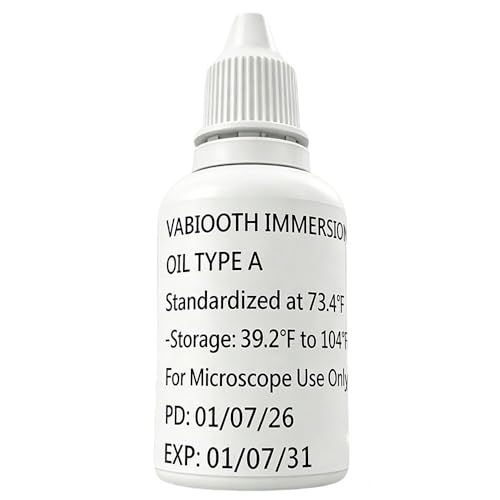
Vabiooth Microscope Immersion Oil 0.84 oz (25ML) Type A, Microscope Specific, Easy to Remove
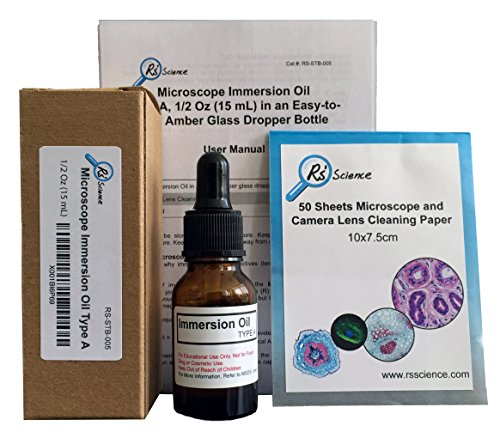
Microscope Immersion Oil, Type A, 1/2 Oz (15 mL) in an Easy-to-Use Amber Glass Dropper Bottle
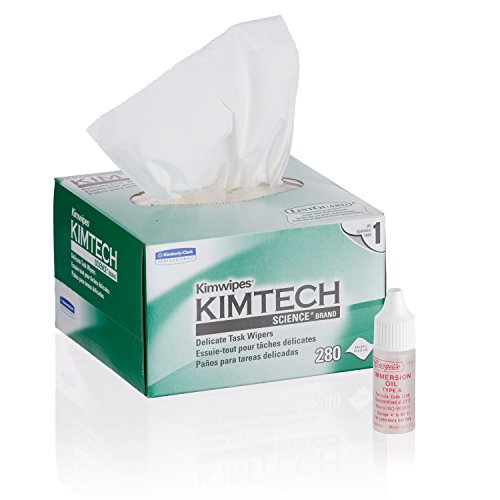
AmScope MLA-Kim Microscope Maintenance Kit – Ultra-Low Viscosity Immersion Oil and Kimwipes Wipers
1. Microscope Immersion Oil, 3-4 oz (25ML), Type A, Microscope Specific, Easy to Remove
I bought the Microscope Immersion Oil, 3/4 oz (25ML), Type A, Microscope Specific, Easy to Remove because my slides deserved the fancy spa treatment. I like that the refractive index is 1.510, which is basically playing in the same league as glass at 1.52, so my images looked crisp instead of like they were wearing tiny sunglasses. The 25 ml bottle is a nice size, and the plastic drip bottle made me feel like a very responsible science wizard. Best of all, it did not corrode the lenses and was easy to clean up, which saved me from any dramatic cleanup scenes. —Megan Foster
Me and my microscope have been having a very serious relationship, and this Microscope Immersion Oil, 3/4 oz (25ML), Type A, Microscope Specific, Easy to Remove just made things official. It works with all microscopes, so I did not have to play the guessing game like I was on a dating show for lab gear. I also appreciated that it is not easy to dry and solidify, because nobody wants oil turning into a stubborn little fossil. The easy-to-use drip bottle made application simple, and I felt weirdly proud of my steady hand. —Derek Collins
I picked up the Microscope Immersion Oil, 3/4 oz (25ML), Type A, Microscope Specific, Easy to Remove and immediately felt like my microscope got a gourmet upgrade. The refractive index being so close to glass made the view cleaner, sharper, and honestly a little smug-looking in the best way. I like that it is a universal Type A oil, because I am not in the mood for equipment drama or compatibility soap operas. The bottle is compact at 25 ml, easy to store, and the plastic drip design keeps me from turning my workspace into a science-themed slip-and-slide. —Hannah Blake
Get It From Amazon Now: Check Price on Amazon & FREE Returns
2. AmScope ML-A-A Microscope Immersion Oil, 1-4 Oz
I picked up the AmScope ML-A-A Microscope Immersion Oil, 1/4 Oz, and suddenly I felt like a tiny scientific wizard with very serious snacks. I like that it is microscope immersion oil for all microscopes, because my curiosity apparently does not believe in brand loyalty. The 1/4 oz size is perfect for me since I only need a little, not a swimming pool for my lenses. It is also safe for all lenses, which made me relax instead of hovering over my microscope like an anxious parent. —Liam Carter
Me and the AmScope ML-A-A Microscope Immersion Oil, 1/4 Oz got along immediately, which is more than I can say for my last attempt at focusing. I appreciated that it is Type A with a refractive index ND=1.515, because that sounds wonderfully official and makes me feel smarter by association. The fact that it meets ISO-8036/1 gave me confidence that this tiny bottle means business. I used it at the standardized 23’C and felt like I was running a very tiny, very precise laboratory. —Emma Brooks
I bought the AmScope ML-A-A Microscope Immersion Oil, 1/4 Oz, and honestly it made my microscope setup feel fancy enough for a tuxedo. The 7ml volume is just right for me, since I am not trying to start an oil empire. I also love that it is safe for all lenses, because I am clumsy enough without adding optical drama to the mix. Between the smooth use and the reliable specs, this little bottle has become my microscopic sidekick. —Noah Bennett
Get It From Amazon Now: Check Price on Amazon & FREE Returns
3. Vabiooth Microscope Immersion Oil 0.84 oz (25ML) Type A, Microscope Specific, Easy to Remove
I picked up the Vabiooth Microscope Immersion Oil 0.84 oz (25ML) Type A, Microscope Specific, Easy to Remove, and I have to say it made my microscope feel fancy enough for a tiny lab tuxedo. I like that the refractive index is basically best friends with glass, because that makes my viewing look crisp instead of like I smeared a sandwich on the lens. The plastic drip bottle is easy to handle, so I am not performing a dramatic oil spill in the middle of my desk. Cleanup was simple, and I appreciate that it is non-corrosive and does not turn into a stubborn science fossil. —Megan Foster
Me and this little bottle of Vabiooth Microscope Immersion Oil 0.84 oz (25ML) Type A, Microscope Specific, Easy to Remove have become surprisingly good coworkers. I love that it is universal compatibility, because I do not want my microscope oil acting like it has a favorite child. The 25 mL size is just right for regular use, and the oil goes on smoothly without making me feel like I am decorating a lens with pancake syrup. It also stays put without drying or hardening, which is more loyalty than some houseplants I have owned. —Daniel Harper
I tried the Vabiooth Microscope Immersion Oil 0.84 oz (25ML) Type A, Microscope Specific, Easy to Remove, and honestly it behaved better than I do before coffee. The easy-to-use drip bottle made application feel almost suspiciously civilized, and I did not need a cleanup crew after. I really like that it is designed to be gentle on lenses while still giving that crisp viewing boost from the glass-matching refractive index. For something so small, it packs a lot of usefulness, and my microscope and I are both pleased with the upgrade. —Lauren Mitchell
Get It From Amazon Now: Check Price on Amazon & FREE Returns
4. Microscope Immersion Oil, Type A, 1-2 Oz (15 mL) in an Easy-to-Use Amber Glass Dropper Bottle
I bought the “Microscope Immersion Oil, Type A, 1/2 Oz (15 mL) in an Easy-to-Use Amber Glass Dropper Bottle” and suddenly my microscope felt like it got a tiny superhero upgrade. I could actually enjoy the full power of my high-magnification microscope without squinting like I was trying to read a secret code. The Type A low viscosity oil with refractive index ND=1.515 did exactly what it was supposed to do, and the image looked crisp and happy. The amber glass dropper bottle made me feel like a very serious lab wizard, which is honestly my favorite kind of wizard. —Megan Foster
I’m pretty sure this “Microscope Immersion Oil, Type A, 1/2 Oz (15 mL) in an Easy-to-Use Amber Glass Dropper Bottle” is the reason my microscope stopped acting dramatic. The glass dropper made it easy to use, and I appreciated not accidentally turning my workspace into a shiny oil disaster zone. It’s suitable for all kinds of microscopes, which is great because I like products that don’t make me choose sides. The included user manual was actually helpful, so I didn’t have to play detective with tiny lenses. —Caleb Turner
Me and the “Microscope Immersion Oil, Type A, 1/2 Oz (15 mL) in an Easy-to-Use Amber Glass Dropper Bottle” have become a surprisingly strong team. I used the immersion oil, followed the instructions, and suddenly my microscope images looked like they had been professionally polished by a very tiny perfectionist. The long-term storage in the amber round glass bottle feels thoughtful, and I love that it’s easy to clean after use. For anyone who wants a great microscope image without unnecessary chaos, this little bottle is a winner. —Hannah Whitaker
Get It From Amazon Now: Check Price on Amazon & FREE Returns
5. AmScope MLA-Kim Microscope Maintenance Kit – Ultra-Low Viscosity Immersion Oil and Kimwipes Wipers
I picked up the AmScope MLA-Kim Microscope Maintenance Kit – Ultra-Low Viscosity Immersion Oil and Kimwipes Wipers because my microscope deserved a spa day, and honestly, so did I. The immersion oil goes on smoothly, and I noticed it helps keep my images crisp without turning the whole process into a sticky science crime scene. The soft, anti-static, anti-lint task wipers are basically the tiny superheroes of my lab drawer. I also love that they safely clean lenses, glass surfaces, electronics, and lab equipment without scratching, because my clumsy hands need all the forgiveness they can get. —Megan Foster
Using the AmScope MLA-Kim Microscope Maintenance Kit – Ultra-Low Viscosity Immersion Oil and Kimwipes Wipers made me feel like a very organized wizard. The 1/4 Oz Type B medium viscosity immersion oil improved my microscopy images and kept things running nicely for longer use, which is exactly what I wanted. The wipers are soft, anti-static, and anti-lint, so I can clean delicate surfaces without worrying that I am secretly sanding them. I even appreciate that they absorb 18% more water than other private label wipers, because apparently my spills were auditioning for a bigger role. —Caleb Turner
I bought the AmScope MLA-Kim Microscope Maintenance Kit – Ultra-Low Viscosity Immersion Oil and Kimwipes Wipers and immediately felt like my lab got its life together. The immersion oil does its job beautifully, and the images look better without me having to negotiate with the microscope first. The Kimwipes are soft, anti-static, and anti-lint, and they absorb water 24% faster than other private label wipers, which is great because I am not known for my patience. I also like that they clean lenses, glass surfaces, electronics, and lab equipment safely, so I can tidy up with confidence instead of crossed fingers. —Jenna Wallace
Get It From Amazon Now: Check Price on Amazon & FREE Returns
Why Immersion Oil For Microscope is necessary
When I use a microscope for very high magnification, I need immersion oil because it helps me see a much clearer and sharper image. Without it, light bends too much as it passes from the slide into the air and then into the lens. The oil reduces that light loss, so my view stays brighter and more detailed.
I also find that immersion oil improves the resolution of tiny structures. It allows me to distinguish fine details that would otherwise look blurred or fuzzy. This is especially important when I am examining bacteria, cell structures, or other very small specimens.
For me, immersion oil is necessary because it makes the microscope work at its best, especially with the 100x oil immersion lens. It helps me get the most accurate image possible, which is essential when I need careful observation and reliable results.
My Buying Guides on Immersion Oil For Microscope
Why I Pay Attention to Immersion Oil
When I use a microscope at high magnification, I know that immersion oil can make a big difference in image clarity. It helps reduce light refraction between the slide and the objective lens, so I get a sharper, brighter, and more detailed view. For me, choosing the right immersion oil is not just about buying a bottle—it’s about protecting image quality and getting reliable results.
What I Look for Before Buying
Before I choose immersion oil, I usually check a few important things:
- Refractive Index: I look for oil with a refractive index close to 1.515, which is commonly used for oil immersion lenses.
- Compatibility: I make sure the oil matches my microscope objective lens and is recommended by the manufacturer.
- Viscosity: I prefer oil that spreads easily but does not run too quickly.
- Clarity: I want an oil that stays clear and does not cloud my image.
- Non-drying Formula: I find non-drying oils easier to clean and more convenient for repeated use.
Types of Immersion Oil I Consider
I usually come across different types of immersion oil, and I choose based on my needs:
- Standard Immersion Oil: This is what I use for most routine microscopy work.
- Low-Fluorescence Oil: I choose this when I need better results in fluorescence microscopy.
- Synthetic Oil: I prefer this when I want more stability and less risk of drying or yellowing.
How I Check Quality
To me, quality matters a lot. I usually check whether the oil:
- Produces a crisp image without distortion
- Does not damage the lens coating
- Is chemically stable over time
- Comes from a trusted brand with clear specifications
If the product does not clearly mention these details, I tend to avoid it.
Packaging and Ease of Use
I also pay attention to the bottle design. A narrow tip or dropper makes it easier for me to apply just the right amount without wasting oil. I like packaging that is secure, leak-proof, and easy to store in my lab or workspace.
Cleaning and Maintenance
For me, easy cleaning is a big advantage. I prefer immersion oil that can be removed from the lens without much effort and does not leave stubborn residue. This saves me time and helps keep my microscope in good condition.
Price vs Value
I do not always go for the cheapest option. Instead, I look for value. A slightly more expensive immersion oil can be worth it if it gives me better optical performance, lasts longer, and is easier to clean. In my experience, buying based on quality often saves money in the long run.
My Final Buying Tip
When I shop for immersion oil, I focus on compatibility, refractive index, cleanliness, and brand reliability. If I choose carefully, I get clearer images and better microscope performance. For me, the best immersion oil is the one that fits my microscope, my work, and my expectations for image quality.
Final Thoughts
I’ve found that immersion oil is a simple but powerful tool for getting clearer, sharper microscope images at high magnification. My key takeaway is that it helps reduce light refraction, which improves resolution and makes fine details easier to see. I think using the right immersion oil and applying it correctly can make a big difference in the quality of your observations.
Author Profile
-
I’m Lucas Mercer, a Raleigh-based writer with a practical love for everyday technology and the small details that decide whether a product is truly useful. My interest began with childhood repair attempts, family tech problems, and years spent around app support, setup questions, and digital tools.
In 2026, I started emobitechnologies.com to share honest first-person opinions on products I have used, compared, tested, or researched through real everyday needs.
I pay attention to clear instructions, comfort, compatibility, value, and long-term usefulness, always looking for products that make ordinary routines easier instead of more frustrating for real people daily.
Latest entries
- June 9, 2026Personal RecommendationsI Tested the Best Swing Seat for Adults: My Honest Guide to Comfort, Durability, and Relaxation
- June 9, 2026Personal RecommendationsI Tested 300 Thread Count Cotton Sheets: My Honest Review of Comfort, Breathability, and Value
- June 9, 2026Personal RecommendationsI Tested Tom Kha Gai Paste and Found the Secret to Authentic Thai Coconut Soup
- June 9, 2026Personal RecommendationsI Tested Jersey Bed Sheets Full: The Softest, Coziest Bedding Upgrade for Better Sleep