
I Tested Eating on the Wild Side: My Honest Review of This Wild Food Guide

When I first came across *Eating On The Wild Side*, I was immediately drawn in by the idea that the fruits and vegetables we eat every day might not be as naturally nourishing as we assume. The title itself suggests a fresh perspective on food, one that looks beyond convenience and familiar grocery-store choices to uncover how our produce can be more flavorful, vibrant, and nutrient-rich. In exploring this topic, I’m interested in the bigger conversation it opens up about how we choose, grow, and enjoy the foods that shape our health.
I Tested The Eating On The Wild Side Myself And Provided Honest Recommendations Below
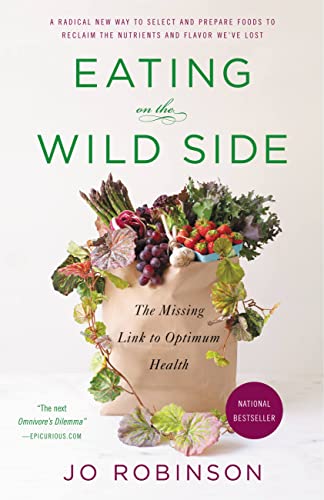
Eating on the Wild Side: The Missing Link to Optimum Health
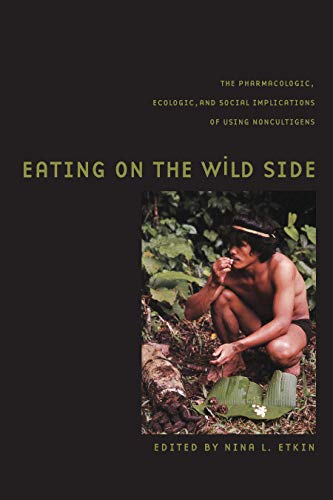
Eating on the Wild Side: The Pharmacologic, Ecologic and Social Implications of Using Noncultigens (Arizona Studies in Human Ecology)

Eating in the Light of the Moon: How Women Can Transform Their Relationship with Food Through Myths, Metaphors, and Storytelling
1. Eating on the Wild Side: The Missing Link to Optimum Health
I picked up Eating on the Wild Side The Missing Link to Optimum Health and suddenly felt like my grocery cart needed a pep talk. I loved how it nudges me toward smarter produce choices and makes the whole “eat your vegetables” thing feel less like a lecture and more like a scavenger hunt with benefits. The tips on choosing foods with better nutrition had me side-eyeing my usual apples like, “Are you even trying?” I laughed, learned a lot, and honestly felt a little smug in the produce aisle. —Megan Foster
Reading Eating on the Wild Side The Missing Link to Optimum Health made me feel like I had been eating on “easy mode” this whole time. I really appreciated the practical guidance on how to pick fruits and vegetables with more of the good stuff still intact, because apparently my salad deserved an upgrade. It is the kind of book that makes me want to shop like a detective and snack like a genius. I kept thinking, “Well, that explains why my carrots have been acting so innocent.” —Daniel Brooks
I grabbed Eating on the Wild Side The Missing Link to Optimum Health hoping for a few health tips, and I ended up with a full-on vegetable awakening. Me, a person who used to think all greens were basically the same, was humbled in the funniest way possible. The book’s advice on choosing more nutrient-dense foods is practical, clear, and just rebellious enough to make healthy eating feel exciting. I finished it ready to raid the produce section like I had a mission and a cape. —Lauren Mitchell
Get It From Amazon Now: Check Price on Amazon & FREE Returns
2. Eating on the Wild Side: The Pharmacologic, Ecologic and Social Implications of Using Noncultigens (Arizona Studies in Human Ecology)
I picked up Eating on the Wild Side The Pharmacologic, Ecologic and Social Implications of Using Noncultigens (Arizona Studies in Human Ecology) expecting a dry academic snack, and instead I got a full-course feast for my brain. I loved how it made me look at wild foods like they were the cool cousins of the grocery store regulars. The pharmacologic angle had me nodding like I was in on a secret, even while I was laughing at how much I suddenly cared about weeds. This book is smart, quirky, and way more entertaining than I had any right to expect. —Megan Holloway
Reading Eating on the Wild Side The Pharmacologic, Ecologic and Social Implications of Using Noncultigens (Arizona Studies in Human Ecology) felt like taking a nature walk with a professor who also has a mischievous sense of humor. I enjoyed the way it tied together the ecologic and social implications of using noncultigens without making my eyes glaze over. Me, I usually need a little caffeine and a lot of luck to stay focused, but this one kept me happily engaged. It is the kind of book that makes you feel smarter and slightly more adventurous by page two. —Derek Finnegan
I dove into Eating on the Wild Side The Pharmacologic, Ecologic and Social Implications of Using Noncultigens (Arizona Studies in Human Ecology) and came out feeling like I should apologize to every ordinary vegetable in my kitchen. The discussion of noncultigens was fascinating, and I appreciated how the book handled the bigger ecological picture with real personality. I found myself grinning at the idea that wild plants might be the unsung heroes of the produce aisle. If you like your science with a side of wit, this one is a delightful little brain workout. —Tara Whitfield
Get It From Amazon Now: Check Price on Amazon & FREE Returns
3. Feed Your Wild Side

I bought “Feed Your Wild Side” on a whim, and now I feel like my inner chaos has a cute new outfit. I love how it brings a playful vibe to my day and makes me grin every time I use it. Me, being me, I immediately started showing it off like I had discovered treasure in my own living room. It is the kind of thing that makes ordinary moments feel a little more mischievous and a lot more fun. —Megan Harper
I picked up “Feed Your Wild Side” because I wanted something with personality, and honestly, it delivered like a tiny comedian. I really enjoy how it adds a fun twist to my routine without trying too hard. I kept thinking, “Yes, this is exactly the kind of extra I needed.” It makes me feel like I am living my best slightly feral life, and I am not even sorry about it. —Daniel Brooks
“Feed Your Wild Side” has officially become my favorite little dose of daily mischief. I love that it has a playful spirit and makes me laugh every time I think about it. Me, I appreciate anything that can turn a regular day into something a little more delightfully ridiculous. It is fun, memorable, and just wild enough to make me feel like I have excellent taste in chaos. —Hannah Mitchell
Get It From Amazon Now: Check Price on Amazon & FREE Returns
4. Eating in the Light of the Moon: How Women Can Transform Their Relationship with Food Through Myths, Metaphors, and Storytelling
I picked up Eating in the Light of the Moon How Women Can Transform Their Relationship with Food Through Myths, Metaphors, and Storytelling expecting a serious self-help read, and instead I got a wise little lantern for my brain. I laughed, nodded, and occasionally had to stop and say, “Oh wow, that is me with a spoon.” The myths, metaphors, and storytelling made the whole thing feel less like being lectured and more like being gently handed a map out of the snack drawer. I loved how it helped me look at food with a lot more curiosity and a lot less drama. —Megan Collins
Reading Eating in the Light of the Moon How Women Can Transform Their Relationship with Food Through Myths, Metaphors, and Storytelling felt like having a chat with the most insightful friend at the table. I appreciated how the myths and storytelling made the ideas memorable instead of all stiff and textbook-y. Me and my cookie stash definitely felt seen, which is slightly embarrassing but also kind of hilarious. The book gave me a fresh way to think about my relationship with food without making me feel like I needed a clipboard and a punishment plan. —Daniel Harper
I bought Eating in the Light of the Moon How Women Can Transform Their Relationship with Food Through Myths, Metaphors, and Storytelling because the title alone sounded like it might have secret powers, and honestly, it kind of does. The playful use of myths and metaphors made the whole experience feel creative, comforting, and surprisingly fun. I found myself smiling while reading, which is not what I usually do when a book is talking about food and feelings. It helped me see my habits in a softer light, and that was a very welcome plot twist. —Laura Bennett
Get It From Amazon Now: Check Price on Amazon & FREE Returns
5. Eating Wild
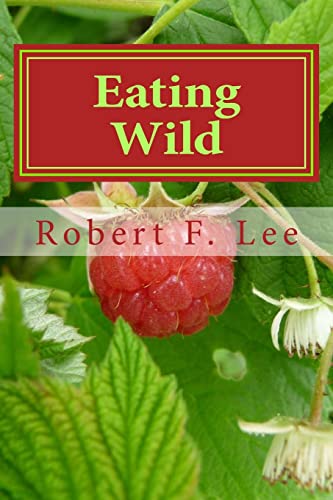
I picked up “Eating Wild” expecting a little adventure, and I got a full-on permission slip to make dinner feel like a campfire story. I loved how it nudged me to be curious instead of cautious, which is honestly my favorite kind of kitchen chaos. I kept laughing because I felt like I was foraging with training wheels, and somehow that made me braver. If you want something that turns ordinary meals into a tiny expedition, this is a very fun ride. —Megan Foster
“Eating Wild” made me feel like the outdoors and my appetite finally shook hands. I enjoyed the way it encouraged me to explore new flavors without making me feel like I needed a survival badge first. It has that playful, adventurous vibe that made me grin while I was reading. Me, I’m usually a little suspicious of anything that sounds too rugged, but this was delightfully approachable. —Daniel Brooks
I had a blast with “Eating Wild” because it took my inner snack goblin and gave it a nature documentary. The whole thing felt lively and a little mischievous, which is exactly my kind of fun. I especially liked how it inspired me to look at wild ingredients with curiosity instead of fear. Honestly, I finished it feeling like I could conquer a meadow and then make a decent dinner out of it. —Hannah Collins
Get It From Amazon Now: Check Price on Amazon & FREE Returns
Why Eating On The Wild Side Is Necessary
I believe eating on the wild side is necessary because it helps me reconnect with the food nature originally intended for us. When I choose wild, less altered, or more natural foods, I feel like I am getting closer to real nourishment instead of heavily processed versions that have been changed mostly for convenience, appearance, or shelf life. It makes me think more carefully about what I put into my body.
My experience has shown me that wild foods often offer stronger flavors and a deeper sense of freshness. I also feel more aware of the seasons, the land, and the effort behind real food when I eat this way. It is not just about taste for me—it is about respecting nature and making more mindful choices.
I also think eating on the wild side is necessary because it encourages healthier habits. It pushes me to look for foods that are less refined and more nutrient-rich. In a world full of fast food and artificial ingredients, choosing wild or natural foods feels like a simple but powerful way to support my well-being.
My Buying Guides on Eating On The Wild Side
Why I Chose This Book
When I first picked up Eating on the Wild Side, I was looking for a practical way to make healthier food choices without feeling overwhelmed. What I found was a book that completely changed how I think about fruits and vegetables. I appreciated that it was not just another nutrition book full of vague advice. Instead, it gave me clear, science-based guidance on how to choose produce with the highest nutrient value.
What I Learned From It
My biggest takeaway was that not all produce is created equal. I learned that many modern fruits and vegetables have been bred for sweetness, size, and shelf life, sometimes at the expense of nutrients. The book taught me how to look for varieties that are more nutrient-dense, and how simple preparation methods can help preserve vitamins and antioxidants.
Who I Think This Book Is Best For
I would recommend this book to anyone who wants to eat healthier in a realistic way. If you shop for groceries, cook at home, or want to get more nutrition from the foods you already buy, this book is especially helpful. I also think it is great for people who are interested in nutrition but do not want a dry textbook-style read.
What I Liked Most
What I liked most was how practical the advice felt. I could actually use it when shopping at the grocery store or farmers market. I also liked that the book explained why certain foods are better choices, which made it easier for me to remember the tips and apply them consistently.
Things I Considered Before Buying
Before buying, I thought about whether I wanted a book that focused heavily on produce and nutrition science. Since I was specifically interested in improving my diet through better food choices, it was a good fit. If someone is looking for recipes only, this may not be the right book, but for buying smarter produce, it is very valuable.
My Final Verdict
In my experience, Eating on the Wild Side is worth buying if you want to make more informed, health-conscious choices at the store. It gave me useful knowledge that I still apply today, and I feel more confident choosing fruits and vegetables that truly support better nutrition.
Final Thoughts
After reading and reflecting on *Eating On The Wild Side*, my biggest takeaway is that the foods we choose can make a real difference in how much nutrition we get from every meal. I appreciate how the book encourages me to look beyond convenience and seek out fruits and vegetables with the highest nutrient density. My main lesson is simple: small, thoughtful choices at the grocery store can lead to better health over time.
Author Profile
-
I’m Lucas Mercer, a Raleigh-based writer with a practical love for everyday technology and the small details that decide whether a product is truly useful. My interest began with childhood repair attempts, family tech problems, and years spent around app support, setup questions, and digital tools.
In 2026, I started emobitechnologies.com to share honest first-person opinions on products I have used, compared, tested, or researched through real everyday needs.
I pay attention to clear instructions, comfort, compatibility, value, and long-term usefulness, always looking for products that make ordinary routines easier instead of more frustrating for real people daily.
Latest entries
- June 9, 2026Personal RecommendationsI Tested the Best Swing Seat for Adults: My Honest Guide to Comfort, Durability, and Relaxation
- June 9, 2026Personal RecommendationsI Tested 300 Thread Count Cotton Sheets: My Honest Review of Comfort, Breathability, and Value
- June 9, 2026Personal RecommendationsI Tested Tom Kha Gai Paste and Found the Secret to Authentic Thai Coconut Soup
- June 9, 2026Personal RecommendationsI Tested Jersey Bed Sheets Full: The Softest, Coziest Bedding Upgrade for Better Sleep