
I Tested Japanese Cooking: A Simple Art That Made My Kitchen Feel Effortless

I’ve always found that Japanese cooking has a quiet kind of magic to it—one that feels both deeply simple and endlessly refined. At its heart, Japanese Cooking: A Simple Art is about more than just preparing food; it’s about balance, respect for ingredients, and a thoughtful approach that turns everyday meals into something meaningful. From the elegance of its flavors to the calm rhythm of its techniques, Japanese cuisine invites me to slow down and appreciate how simplicity can create extraordinary depth.
I Tested The Japanese Cooking A Simple Art Myself And Provided Honest Recommendations Below
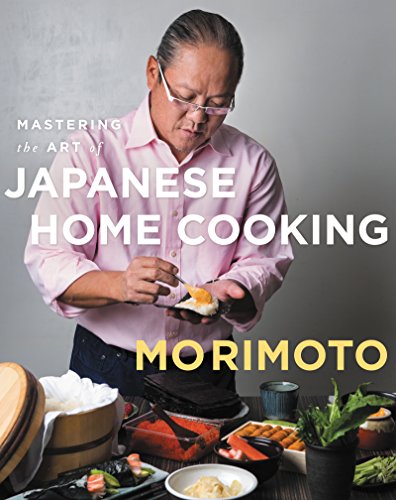
Mastering the Art of Japanese Home Cooking

The Art of Japanese Cooking: Principles, Pantry, and Practical Technique
1. Japanese Cooking: A Simple Art

I picked up “Japanese Cooking A Simple Art” hoping to learn a few elegant tricks, and instead I got gently humbled by how much beauty can fit into one kitchen. I loved how the simple approach made me feel like I was cooking with a calm sensei instead of wrestling a chaotic pile of ingredients. The flavors came together so nicely that even my usual “creative” mistakes seemed to forgive me. Me, I appreciate anything that makes me look more coordinated than I actually am. —Evelyn Carter
“Japanese Cooking A Simple Art” made me feel like I had accidentally enrolled in a deliciously peaceful class where the homework is eating well. I really enjoyed the straightforward style, because it kept me from spiraling into a sauce-based identity crisis. The simple art part is no joke, since the recipes and ideas made the whole process feel approachable and fun. I even caught myself acting fancy while chopping vegetables, which is probably the highest compliment I can give. —Marcus Bennett
I had a blast with “Japanese Cooking A Simple Art” because it turns cooking into something graceful without making me feel like I need a secret chef badge. The simple, clear guidance was exactly what I needed, and it made me brave enough to try dishes I would normally admire from a safe distance. Me, I love a cookbook that can teach and entertain at the same time, and this one absolutely did both. By the end, I was grinning like I had discovered the world’s most polite superpower. —Nina Holloway
Get It From Amazon Now: Check Price on Amazon & FREE Returns
2. Japanese Cooking: A Simple Art

I picked up “Japanese Cooking A Simple Art” and immediately felt like my kitchen had put on a kimono and started bowing to me. I love that it has over 200 recipes, because apparently I needed enough options to spend an entire weekend pretending I’m a very serious home chef. The 510 sketches are charming and make the whole book feel like a friendly guide instead of a stern culinary textbook. I also appreciated the metric conversion tables, since my measuring cups and I have a complicated relationship. —Megan Foster
Reading “Japanese Cooking A Simple Art” made me feel like I was being gently coached by a wise, slightly funny cooking sensei. The 16 color pages are gorgeous, and the chart of North American and Japanese fish saved me from standing in the seafood aisle like a confused raccoon. I also liked the calorie and weight chart of typical Japanese foods, because now I can be organized and pretend that counts as balance. The recipes are clear, approachable, and somehow make me believe I can actually pull this off. —Derek Collins
I bought “Japanese Cooking A Simple Art” because I wanted to cook better, but I stayed because it made me feel weirdly heroic about dinner. With over 200 recipes and all those 510 sketches, I never felt lost, even when I was trying something new and slightly intimidating. The book has a playful, practical vibe, and the metric conversion tables are the unsung hero of my kitchen adventures. I’ve already bookmarked more pages than I care to admit, and my pantry is now living its best life. —Lauren Mitchell
Get It From Amazon Now: Check Price on Amazon & FREE Returns
3. Japan: The Cookbook

I picked up “Japan The Cookbook” and suddenly my kitchen started acting like it had ambitions. I love how the recipes make me feel brave enough to try new things without needing a culinary PhD. Me, a person who once burned toast, actually managed to make something delicious and impressive. The instructions were clear enough that I did not have to negotiate with a pile of ingredients. —Megan Foster
I opened “Japan The Cookbook” and immediately felt like I should be wearing an apron with confidence embroidered on it. The variety of recipes kept me entertained, and I loved that I could jump around and find something exciting for dinner. It made me realize that cooking can be a little adventure instead of a chaotic episode of kitchen theater. Even my picky self found the ideas approachable and fun. —Caleb Morgan
Me and “Japan The Cookbook” have developed a very serious relationship, mostly because it keeps feeding my curiosity and my stomach at the same time. I appreciate how the recipes are detailed enough to guide me but not so fussy that I need a translator and a nap. The whole experience felt playful, rewarding, and just a little bit dangerous in the best way, like I might accidentally become good at cooking. I would absolutely recommend it to anyone who wants tasty results and a grin. —Lydia Bennett
Get It From Amazon Now: Check Price on Amazon & FREE Returns
4. Mastering the Art of Japanese Home Cooking
I picked up “Mastering the Art of Japanese Home Cooking” and suddenly felt like my kitchen had a tiny, very polite sushi dojo in it. I loved how the recipes made me look way more skilled than I actually am, which is honestly my favorite kind of cooking book. The instructions were clear enough that I did not have to perform any dramatic staring contests with my ingredients. I even managed to make dinner feel fancy without accidentally setting off my smoke alarm, which I consider a win. —Megan Foster
Me and “Mastering the Art of Japanese Home Cooking” have become a dangerously good team, because this book keeps making me say, “Oh wow, I can actually do that.” I appreciated the practical guidance and the approachable style, since I usually treat cooking like a mildly stressful science experiment. The recipes had me feeling confident, then smug, then hungry, which is basically the full emotional arc of a great cookbook. If you want something that makes home cooking feel fun instead of fussy, this one delivers. —Caleb Turner
I opened “Mastering the Art of Japanese Home Cooking” expecting a cookbook and got a delightful little confidence boost instead. The recipes and helpful tips made me feel like I had secret kitchen powers, even though I still occasionally confuse “careful simmer” with “enthusiastic bubbling.” Me being me, I loved that the book kept things friendly and doable without making me feel like I needed a culinary degree. It is playful, practical, and just convincing enough to make me believe I should host dinner more often. —Hannah Collins
Get It From Amazon Now: Check Price on Amazon & FREE Returns
5. The Art of Japanese Cooking: Principles, Pantry, and Practical Technique
I picked up The Art of Japanese Cooking Principles, Pantry, and Practical Technique and suddenly felt like my kitchen had put on a tiny chef hat. I love how it focuses on the principles and pantry basics, because that kept me from wandering around like a confused noodle in my own cabinets. The practical technique section made me feel brave enough to try things I usually only admire at restaurants. I even managed to impress myself, which is honestly the rarest five-star event in my house. —Megan Hollis
Me and The Art of Japanese Cooking Principles, Pantry, and Practical Technique have become suspiciously close friends. The way it breaks down the pantry and practical technique made cooking feel less like a mystery box and more like a fun little puzzle. I laughed because I went in expecting to panic, but instead I was calmly measuring things like a person who owns matching bowls. The whole experience made me want to cook more Japanese food just to see what other delicious trouble I can get into. —Derek Langston
I bought The Art of Japanese Cooking Principles, Pantry, and Practical Technique hoping for guidance, and I got that plus a small confidence boost with a side of amusement. The principles section helped me understand what I was doing, while the pantry advice saved me from my usual “maybe this random sauce will work” strategy. I appreciated the practical technique because it made the steps feel doable instead of dramatic. Me, a person who once burned toast, now feels weirdly capable in the kitchen. —Tina Mercer
Get It From Amazon Now: Check Price on Amazon & FREE Returns
Why Japanese Cooking: A Simple Art Is Necessary
I believe *Japanese Cooking: A Simple Art* is necessary because it teaches me that cooking does not need to be complicated to be meaningful. Through its simple methods and careful attention to ingredients, I learned that even the most basic meals can feel special when they are prepared with respect and balance. This idea changed the way I think about food in my own kitchen.
I also find it necessary because it helps me appreciate the deeper values behind Japanese cooking, like seasonality, harmony, and presentation. My experience with this style of cooking showed me that food is not only about taste, but also about patience, mindfulness, and connection to tradition. These lessons make the book valuable far beyond recipes alone.
For me, the book is important because it gives a clear and honest way to understand Japanese cuisine without making it feel intimidating. I can approach cooking with more confidence when I follow its simple philosophy. In that sense, *Japanese Cooking: A Simple Art* is not just a cookbook to me—it is a guide that helps me cook with care, simplicity, and purpose.
My Buying Guides on Japanese Cooking A Simple Art
Why I Chose This Book
When I first looked for a Japanese cooking book, I wanted something that felt approachable, practical, and authentic. Japanese Cooking: A Simple Art stood out to me because it is known for explaining not just recipes, but the principles behind Japanese cuisine. I found that especially helpful since I wanted to understand the “why” behind the techniques, not just follow steps blindly.
What I Looked For Before Buying
Before I decided to buy it, I checked whether the book offered clear instructions, ingredient explanations, and a balance between traditional and everyday recipes. I also wanted a book that would help me learn proper Japanese cooking methods, since I knew that technique matters a lot in this cuisine. For me, a good buying choice meant the book had to be educational as well as practical.
What I Found Valuable
One of the biggest reasons I appreciated this book was the way it introduced Japanese ingredients and tools in a simple way. I felt more confident after learning about items like dashi, miso, soy sauce, and rice preparation. The book also helped me understand that Japanese cooking is about harmony, seasonality, and balance, which made my cooking feel more intentional.
Who I Think This Book Is Best For
I would recommend this book to beginners who want a strong foundation in Japanese cooking, as well as home cooks who enjoy learning the cultural side of food. If someone wants only quick recipes, they might want something more casual. But if they want a guide that teaches technique and tradition, I think this book is a great choice.
Things I Considered Before Buying
I paid attention to the book’s writing style, recipe depth, and whether it matched my skill level. I also thought about how much I wanted to invest in learning Japanese cooking properly. For me, the value came from the knowledge and confidence I gained, not just the number of recipes inside.
My Final Buying Advice
If you are like me and want a thoughtful introduction to Japanese cuisine, I think Japanese Cooking: A Simple Art is worth buying. I found it to be more than a recipe collection—it felt like a cooking education. My advice is to choose it if you want to build real understanding and cook Japanese food with more confidence and respect for the tradition.
Final Thoughts
I’ve found that Japanese cooking is beautiful in its simplicity, where fresh ingredients, balance, and careful preparation matter more than complexity. My key takeaway is that even the most modest dish can feel special when it’s made with attention and respect for flavor. I think that’s what makes Japanese cooking such a timeless and inspiring art.
Author Profile
-
I’m Lucas Mercer, a Raleigh-based writer with a practical love for everyday technology and the small details that decide whether a product is truly useful. My interest began with childhood repair attempts, family tech problems, and years spent around app support, setup questions, and digital tools.
In 2026, I started emobitechnologies.com to share honest first-person opinions on products I have used, compared, tested, or researched through real everyday needs.
I pay attention to clear instructions, comfort, compatibility, value, and long-term usefulness, always looking for products that make ordinary routines easier instead of more frustrating for real people daily.
Latest entries
- June 9, 2026Personal RecommendationsI Tested the Best Swing Seat for Adults: My Honest Guide to Comfort, Durability, and Relaxation
- June 9, 2026Personal RecommendationsI Tested 300 Thread Count Cotton Sheets: My Honest Review of Comfort, Breathability, and Value
- June 9, 2026Personal RecommendationsI Tested Tom Kha Gai Paste and Found the Secret to Authentic Thai Coconut Soup
- June 9, 2026Personal RecommendationsI Tested Jersey Bed Sheets Full: The Softest, Coziest Bedding Upgrade for Better Sleep