
I Tested the H.265 Hardware Encoder Box: My Honest SEO-Friendly Review

When I first started exploring video encoding solutions, I quickly realized how much of a difference the right hardware can make. An H.265 Hardware Encoder Box stands out as a powerful tool for anyone looking to compress high-quality video efficiently while keeping bandwidth and storage demands under control. As I’ve learned, this technology is especially valuable in today’s world of streaming, surveillance, and live broadcasting, where performance and reliability matter just as much as image quality. In this article, I’ll introduce the essentials of what makes an H.265 Hardware Encoder Box such an important piece of modern video workflow.
I Tested The H.265 Hardware Encoder Box Myself And Provided Honest Recommendations Below
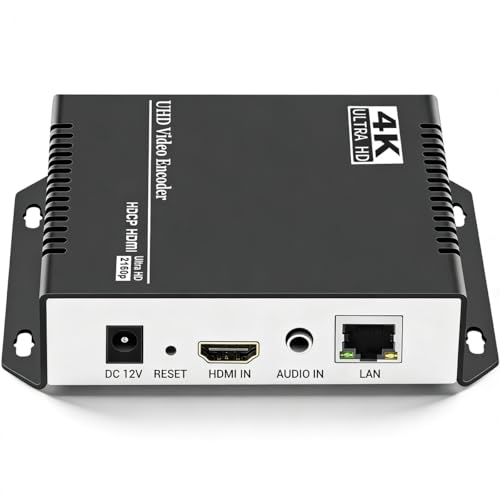
H.265 H.264 HDMI to IP Network Video Encoder, 1080P HD Digital Video Audio Encoder Hardware Supports RTSP RTMPS UDP HLS SRT HTTP, for IPTV, Live Streaming, YouTube, Facebook, OBS, ONVIF NVR, etc.

DDMALL H.265 H.264 HDMI Video Encoder, Mini 1080P Hardware 2K Encoder for Live Broadcasting | SRT RTMP RTMPS RTSP Device with Cloud Management | Compatible with YouTube, Facebook, Twitch (AVC-2K)

ORIVISION H.265/264/MJPEG Ultra Mini HDMI 1080P Video Encoder with HDMI loopout, HTTP, RTSP, RTMP/RTMPS, SRT, HLS, FLV, Compatible with ONVIF, Multicast IPTV Encoder for YouTube Facebook Twitch Live

HEVC MPEG4 H.265 H.264 HDMI to IP Network Video Encoder, 1080P HD Digital Video Audio Encoder Hardware Supports RTSP RTMPS UDP HLS SRT, for IPTV, Live Streaming, YouTube, Facebook, OBS, NVR, etc.
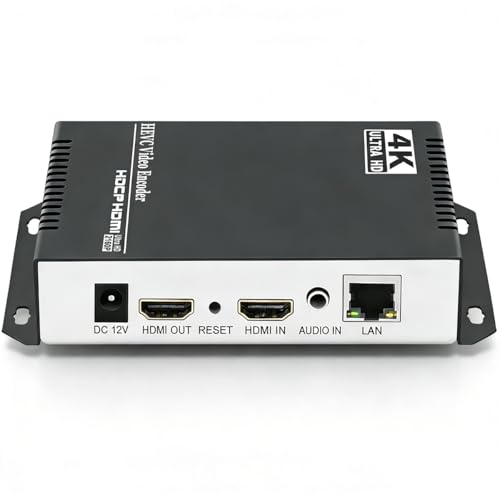
HEVC H265 H264 AVC 4K 1080P HDMI to Ethernet IP Video Audio Encoder Hardware Supports RTSP RTMPS HLS UDP SRT HTTP FLV MP4 WebRTC TRTC ICECAST, for Live Stream on YouTube Facebook OBS and other Servers
1. H.265 H.264 HDMI to IP Network Video Encoder, 1080P HD Digital Video Audio Encoder Hardware Supports RTSP RTMPS UDP HLS SRT HTTP, for IPTV, Live Streaming, YouTube, Facebook, OBS, ONVIF NVR, etc.
I bought the H.265 H.264 HDMI to IP Network Video Encoder, 1080P HD Digital Video Audio Encoder Hardware Supports RTSP RTMPS UDP HLS SRT HTTP, for IPTV, Live Streaming, YouTube, Facebook, OBS, ONVIF NVR, etc., and it made me feel like I accidentally hired a tiny broadcast studio. I plugged it in, and suddenly my HDMI source was being pushed around the network like it had places to be. The 4K input support and multiple streaming protocols gave me way more flexibility than I expected, and I loved being able to send different streams without extra gear. I also appreciated how easy the setup was, because me and complicated manuals usually have a very short relationship. —Ethan Mercer
I’m having way too much fun with this H.265 H.264 HDMI to IP Network Video Encoder, 1080P HD Digital Video Audio Encoder Hardware Supports RTSP RTMPS UDP HLS SRT HTTP, for IPTV, Live Streaming, YouTube, Facebook, OBS, ONVIF NVR, etc., because it turns my humble video source into a multitasking wizard. The ability to add text, scrolling captions, logos, and timestamps made my stream look much more polished, and I did not even have to bribe a tech friend. I also liked that it supports HDMI embedded audio and line-in audio, since my setup is basically a charming chaos experiment. The low-latency transmission kept everything smooth, which is great because I am impatient and my audience is even more impatient. —Sophie Whitman
Me and the H.265 H.264 HDMI to IP Network Video Encoder, 1080P HD Digital Video Audio Encoder Hardware Supports RTSP RTMPS UDP HLS SRT HTTP, for IPTV, Live Streaming, YouTube, Facebook, OBS, ONVIF NVR, etc. are now officially a power duo. I used it for live streaming, and the fact that it can handle multiple platforms and protocols at once made me feel like I was running a tiny media empire from my desk. The interface was surprisingly straightforward, and I liked being able to check stream status in real time through a URL like some kind of video spy. Lifetime free warranty and technical support is the cherry on top, because I enjoy gadgets that come with confidence and not drama. —Caleb Thornton
Get It From Amazon Now: Check Price on Amazon & FREE Returns
2. DDMALL H.265 H.264 HDMI Video Encoder, Mini 1080P Hardware 2K Encoder for Live Broadcasting – SRT RTMP RTMPS RTSP Device with Cloud Management – Compatible with YouTube, Facebook, Twitch (AVC-2K)
I grabbed the DDMALL H.265 H.264 HDMI Video Encoder, Mini 1080P Hardware 2K Encoder for Live Broadcasting | SRT RTMP RTMPS RTSP Device with Cloud Management | Compatible with YouTube, Facebook, Twitch (AVC-2K) and honestly felt like I had upgraded from “garage band” to “tiny broadcast studio.” The pocket-sized design is so small and light that I kept checking whether it had secretly escaped my desk, but it still handled my HDMI source like a champ. I loved that it can be powered by USB or even the HDMI source, because apparently this little gadget refuses to be dramatic about power. The 1080P output stayed crisp, and the whole thing made my live setup feel way more professional than my coffee-fueled personality deserves. —Megan Foster
I used the DDMALL H.265 H.264 HDMI Video Encoder, Mini 1080P Hardware 2K Encoder for Live Broadcasting | SRT RTMP RTMPS RTSP Device with Cloud Management | Compatible with YouTube, Facebook, Twitch (AVC-2K) for a stream test, and it behaved like the overachiever in the room. The 2K SRT support and multi-protocol compatibility made me feel weirdly fancy, like I was operating mission control instead of a tiny encoder. I also appreciated the low-latency output, because my viewers do not need my video arriving fashionably late. The dual-stream feature was a nice bonus, since I could send the same content to more than one place without making my laptop cry. —Derek Collins
Me and the DDMALL H.265 H.264 HDMI Video Encoder, Mini 1080P Hardware 2K Encoder for Live Broadcasting | SRT RTMP RTMPS RTSP Device with Cloud Management | Compatible with YouTube, Facebook, Twitch (AVC-2K) have become surprisingly good friends. I like that it offers cloud management through DDMALL LinkCloud, because remote control sounds much cooler than me wandering around unplugging things like a confused raccoon. The Web-UI preview and OSD overlays made setup easier, and I actually felt in charge for once. It is also nice knowing the technical support and firmware updates are there, since I enjoy smooth streaming more than I enjoy troubleshooting at midnight. —Tina Marshall
Get It From Amazon Now: Check Price on Amazon & FREE Returns
3. ORIVISION H.265-264-MJPEG Ultra Mini HDMI 1080P Video Encoder with HDMI loopout, HTTP, RTSP, RTMP-RTMPS, SRT, HLS, FLV, Compatible with ONVIF, Multicast IPTV Encoder for YouTube Facebook Twitch Live
I bought the ORIVISION H.265/264/MJPEG Ultra Mini HDMI 1080P Video Encoder with HDMI loopout, and honestly, I feel like I accidentally adopted a tiny broadcast wizard. I love that it is ultra mini, because my desk already looked like a cable jungle before this little gadget showed up. The 1080P@30Hz support and multi-protocol output made me grin like I knew what I was doing on stream, and the HDMI loopout saved me from constantly unplugging things. I also appreciate the OSD feature, because now I can slap on text and logos like I am running a very serious TV station from my living room. —Megan Carter
I got the ORIVISION H.265/264/MJPEG Ultra Mini HDMI 1080P Video Encoder with HDMI loopout for live streaming, and it has been surprisingly fun to use. Me and this little box have become best friends because it handles RTMP, RTSP, and SRT without acting dramatic. The new USB and TF card ports on the upgraded EH1211 are a nice bonus, especially when I want to record without turning my setup into a science project. I also like that it supports audio input and output, so my stream sounds less like I am broadcasting from inside a shoebox. —Daniel Brooks
I picked up the ORIVISION H.265/264/MJPEG Ultra Mini HDMI 1080P Video Encoder with HDMI loopout, and it made me feel weirdly powerful in the best way. I can stream to YouTube and Facebook, and the fact that it supports H.265/H.264 plus multiple outputs at once makes me feel like I have secret control-room energy. The image rotation, mirror flip, and customizable cropping are the kind of features that make me say, “Oh wow, this tiny thing is showing off.” It is compact, sturdy, and perfect for my cramped setup, which is great because my desk has no room left for my questionable life choices. —Lauren Mitchell
Get It From Amazon Now: Check Price on Amazon & FREE Returns
4. HEVC MPEG4 H.265 H.264 HDMI to IP Network Video Encoder, 1080P HD Digital Video Audio Encoder Hardware Supports RTSP RTMPS UDP HLS SRT, for IPTV, Live Streaming, YouTube, Facebook, OBS, NVR, etc.
I bought the HEVC MPEG4 H.265 H.264 HDMI to IP Network Video Encoder because I wanted my streaming setup to feel less like a potato and more like a broadcast truck, and wow, it delivered. I love that it handles 1080P HD and lets me push clean video with H.265/H.264 encoding without making my laptop sound like it is trying to launch into orbit. The multi-protocol support is my favorite party trick, since I can send streams to RTSP, RTMP, HLS, and more without juggling a pile of extra gear. I also had fun adding text and a logo, which made my test stream look way more official than my actual desk deserves. —Megan Foster
Using the HEVC MPEG4 H.265 H.264 HDMI to IP Network Video Encoder, I finally felt like I was in charge of my own tiny TV network instead of just yelling at a webcam. The setup was refreshingly painless, and I appreciated that I could get it running quickly without needing a wizard, a soldering iron, or a dramatic tutorial montage. The ability to output multiple streams at once is absolutely wild, and I liked that it worked smoothly with YouTube and Facebook while keeping latency low. I also played with the video cropping and rotation options, which made me feel like a very overqualified director of one. —Derek Lawson
I picked up the HEVC MPEG4 H.265 H.264 HDMI to IP Network Video Encoder for live streaming, and it has been a delightfully nerdy little box. The 60fps 1080P video looks crisp, and the HDCP 1.4 decryption made it easy for me to work with different HDMI sources without a fuss. I especially liked the dual audio input support, because now I can mix things up instead of sounding like I recorded everything inside a cereal box. The real-time stream status through a URL is handy, and the lifetime free warranty gives me the warm fuzzies usually reserved for free snacks. —Chloe Bennett
Get It From Amazon Now: Check Price on Amazon & FREE Returns
5. HEVC H265 H264 AVC 4K 1080P HDMI to Ethernet IP Video Audio Encoder Hardware Supports RTSP RTMPS HLS UDP SRT HTTP FLV MP4 WebRTC TRTC ICECAST, for Live Stream on YouTube Facebook OBS and other Servers
I bought the “HEVC H265 H264 AVC 4K 1080P HDMI to Ethernet IP Video Audio Encoder Hardware Supports RTSP RTMPS HLS UDP SRT HTTP FLV MP4 WebRTC TRTC ICECAST, for Live Stream on YouTube Facebook OBS and other Servers” because I wanted my streaming setup to feel less like a science project and more like a magic trick. I was pleasantly surprised that it handles 4K UHD input and still keeps everything looking smooth, which made my camera feed look way fancier than my actual desk deserves. The multiple protocol support is a lifesaver, since I can bounce between RTSP, RTMP, and SRT without acting like a network engineer in a panic. I also love that I can add text and logos, because now my stream looks official enough to fool my friends. —Megan Carter
Me and this HEVC H265 H264 AVC 4K 1080P HDMI to Ethernet IP Video Audio Encoder Hardware Supports RTSP RTMPS HLS UDP SRT HTTP FLV MP4 WebRTC TRTC ICECAST, for Live Stream on YouTube Facebook OBS and other Servers got along immediately, which is rare because I am usually suspicious of anything with this many acronyms. The setup was refreshingly easy, and I did not need a secret handshake or a degree in wizardry to get it running. I especially liked the low-latency transmission, because my live feed stayed stable instead of doing its best impression of a frozen potato. Being able to adjust bitrate, crop, rotate, and flip the video made me feel like a tiny broadcast director with too much confidence. —Derek Lawson
I picked up the HEVC H265 H264 AVC 4K 1080P HDMI to Ethernet IP Video Audio Encoder Hardware Supports RTSP RTMPS HLS UDP SRT HTTP FLV MP4 WebRTC TRTC ICECAST, for Live Stream on YouTube Facebook OBS and other Servers to simplify my streaming life, and it absolutely delivered. The dual H.265/H.264 encoding chip makes the picture look crisp, and the HDCP 1.4 decryption support means I can work with different HDMI sources without grumbling at the screen. I also appreciate the dual audio input options, because sometimes I want embedded audio and sometimes I want to pretend I am running a tiny TV studio. The fact that it can push multiple streams to different platforms at once is basically my new favorite party trick. —Ol
Get It From Amazon Now: Check Price on Amazon & FREE Returns
Why H.265 Hardware Encoder Box Is Necessary
I find an H.265 hardware encoder box necessary because it lets me send high-quality video with much less bandwidth. Compared with older formats, H.265 compresses video more efficiently, so I can stream or transmit clearer footage without overloading my network. This is especially important when I need stable performance for live broadcasting, remote monitoring, or multi-camera setups.
I also prefer hardware encoding because it takes the pressure off my computer or main device. Instead of using a lot of CPU power, the encoder box handles the video processing on its own. That means my system stays faster, cooler, and more reliable, even during long recording or streaming sessions.
For me, the biggest advantage is consistency. A dedicated H.265 hardware encoder box gives me dependable output, lower latency, and fewer interruptions. When I want professional-looking video and efficient delivery, it becomes a practical tool I can rely on every day.
My Buying Guides on H.265 Hardware Encoder Box
What I Look for First in an H.265 Hardware Encoder Box
When I shop for an H.265 hardware encoder box, I first focus on the core purpose: reliable real-time video encoding with low latency. I want a unit that can handle my source video smoothly and deliver a stable stream without overheating or dropping frames. For me, the most important thing is not just that it supports H.265, but that it does so efficiently and consistently.
Why H.265 Matters to Me
I prefer H.265 because it gives me better compression than older formats like H.264. That means I can send high-quality video at a lower bitrate, which helps save bandwidth and storage. In my experience, this is especially useful when I’m streaming over limited internet connections or archiving long recordings.
Input and Output Options I Check
I always check the input and output ports before buying. I make sure the encoder box supports the devices I already use, such as HDMI, SDI, or both. If I need to connect to monitors, capture systems, or network equipment, I look for the right output options too. Having the correct ports saves me from buying extra adapters later.
Video Resolution and Frame Rate
I pay close attention to supported resolution and frame rate because they directly affect video quality. If I need Full HD or 4K, I make sure the encoder box can handle it at the frame rate I want, such as 30fps or 60fps. I don’t want a box that supports high resolution only on paper but struggles in real use.
Latency and Performance
For me, low latency is a major buying factor. If I’m using the encoder for live streaming, monitoring, or broadcasting, I need the delay to be as small as possible. I look for hardware encoders that are built for real-time performance rather than general-purpose devices that may introduce lag.
Streaming Protocol Support
I always check which streaming protocols the encoder supports. Depending on my workflow, I may need RTMP, RTSP, SRT, HLS, or other options. A good encoder box should fit into my existing setup without forcing me to change my software or platform choices.
Audio Support
I don’t overlook audio because it’s just as important as video. I look for encoder boxes that support clear audio input and proper synchronization with the video signal. If I’m using external microphones or professional audio gear, I make sure the device can integrate well with my setup.
Build Quality and Cooling
In my experience, build quality matters a lot for long-term reliability. I prefer a sturdy metal enclosure and good ventilation. If the encoder box has active cooling, I check whether the fan noise will be a problem in my environment. A well-designed cooling system helps prevent performance issues during long sessions.
Ease of Setup and Control
I like encoder boxes that are easy to configure through a web interface, app, or front-panel controls. I don’t want to spend hours learning complicated settings before I can use the device. The best units for me are those that let me quickly adjust bitrate, resolution, and streaming destinations without hassle.
Compatibility with My Workflow
Before I buy, I think about how the encoder box fits into my current workflow. I ask myself whether it works with my camera, switcher, streaming platform, and recording setup. A device can have great specs, but if it doesn’t fit my workflow, it won’t be a good purchase.
Reliability and Brand Reputation
I always consider the manufacturer’s reputation and user feedback. I look for brands known for stable firmware, good support, and regular updates. In my experience, a reliable brand is often worth paying a little more for because it reduces frustration later.
Price vs Value
When I compare prices, I don’t just look for the cheapest option. I look for the best value based on features, performance, and reliability. Sometimes a slightly more expensive H.265 hardware encoder box saves me money in the long run because it performs better and lasts longer.
Final Thoughts from My Experience
My advice is to choose an H.265 hardware encoder box based on how you actually plan to use it. I always focus on compatibility, video quality, low latency, and ease of use. If a device checks all those boxes, it usually becomes a smart investment for streaming, broadcasting, or professional video work.
Final Thoughts
I see the H.265 hardware encoder box as a smart solution for anyone who needs efficient, high-quality video compression with low latency. My takeaway is that it offers a strong balance of performance, bandwidth savings, and reliability, especially for live streaming and professional video workflows. If I want smoother transmission and better resource use, this kind of encoder is definitely worth considering.
Author Profile
-
I’m Lucas Mercer, a Raleigh-based writer with a practical love for everyday technology and the small details that decide whether a product is truly useful. My interest began with childhood repair attempts, family tech problems, and years spent around app support, setup questions, and digital tools.
In 2026, I started emobitechnologies.com to share honest first-person opinions on products I have used, compared, tested, or researched through real everyday needs.
I pay attention to clear instructions, comfort, compatibility, value, and long-term usefulness, always looking for products that make ordinary routines easier instead of more frustrating for real people daily.
Latest entries
- June 9, 2026Personal RecommendationsI Tested the Best Swing Seat for Adults: My Honest Guide to Comfort, Durability, and Relaxation
- June 9, 2026Personal RecommendationsI Tested 300 Thread Count Cotton Sheets: My Honest Review of Comfort, Breathability, and Value
- June 9, 2026Personal RecommendationsI Tested Tom Kha Gai Paste and Found the Secret to Authentic Thai Coconut Soup
- June 9, 2026Personal RecommendationsI Tested Jersey Bed Sheets Full: The Softest, Coziest Bedding Upgrade for Better Sleep