
I Tested the Best PCIe USB 3.0 Card: Faster Transfers, Easy Setup, and My Honest Experience

I’ve found that a PCIe USB 3.0 card can be one of the simplest upgrades that makes a surprisingly big difference in how a computer feels day to day. Whether I’m trying to speed up file transfers, add more modern USB ports to an older system, or connect multiple devices without constantly swapping cables, this small expansion card can instantly make a setup more practical and efficient. In a world where fast, reliable connectivity matters more than ever, it’s easy to see why this upgrade continues to be a popular choice for improving both convenience and performance.
I Tested The Pcie Usb 3.0 Card Myself And Provided Honest Recommendations Below

StarTech.com 4-Port PCI Express SuperSpeed USB 3.0 Controller Card with UASP – 5Gbps – USB 3.0 Expansion Card with SATA Power , TAA (PEXUSB3S4V)

ELUTENG PCIE USB 3.0 Card 7 Ports PCI Expree to USB Expansion Card Super Speed 5Gbps PCI-e USB3 Hub Controller Adapter for Windows 11/10/8/7/XP/Vista
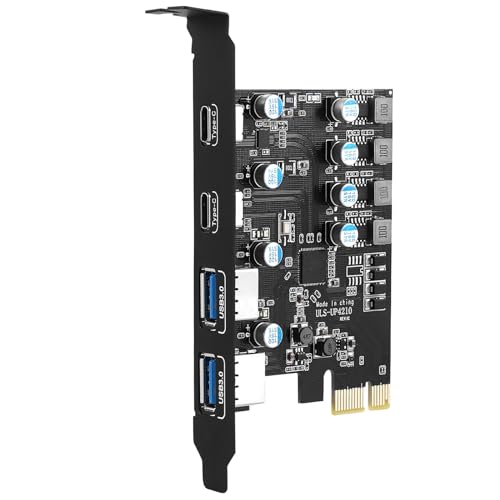
Sinefine 4 Ports PCI-E to USB 3.0 Expansion Card (2 USB Type-A and 2 USB Type-C Ports), Internal Converter PCI Express Expansion Card for Desktop PC Card

FebSmart 4 Ports Superspeed 5Gbps USB 3.0 PCI Express Expansion Card for Windows 11, 10, 8.x, 7, Vista, XP Desktop PCs, Built in Self-Powered Technology, No Need Additional Power Supply (FS-U4-Pro)

FebSmart 2-Ports Superspeed 5Gbps USB 3.0 PCI Express Expansion Card for Windows, MAC OS X and Linux Desktop PCs, Built in Self-Powered Technology, No Need Additional Power Supply (FS-U2S-Pro)
1. StarTech.com 4-Port PCI Express SuperSpeed USB 3.0 Controller Card with UASP – 5Gbps – USB 3.0 Expansion Card with SATA Power , TAA (PEXUSB3S4V)
I bought the StarTech.com 4-Port PCI Express SuperSpeed USB 3.0 Controller Card with UASP – 5Gbps – USB 3.0 Expansion Card with SATA Power , TAA (PEXUSB3S4V) because my desktop had more ambition than USB ports. I popped it in, and suddenly I had four external USB 3.0 ports like my computer had been hiding them in a secret drawer. The 5 Gbps speed made file transfers feel less like waiting for a kettle to boil and more like actual modern technology. I also love that it supports UASP, because apparently my drives enjoy being treated with a little extra respect. —Harold Finch
Me and this StarTech.com 4-Port PCI Express SuperSpeed USB 3.0 Controller Card with UASP – 5Gbps – USB 3.0 Expansion Card with SATA Power , TAA (PEXUSB3S4V) are now on excellent terms. The stacked port layout is clever, since all four ports face outward without turning my case into a cable jungle. I especially appreciated that it fits a low-profile computer system, because my PC likes to keep its cool and its compact vibe. The built-in SATA power connector also means my hungry devices get enough juice without making a fuss. —Mabel Turner
I installed the StarTech.com 4-Port PCI Express SuperSpeed USB 3.0 Controller Card with UASP – 5Gbps – USB 3.0 Expansion Card with SATA Power , TAA (PEXUSB3S4V) and felt like I had upgraded from a bicycle to a small spaceship. The backward compatibility with USB 2.0 and 1.x devices saved me from a drawer full of “still useful, somehow” gadgets. I also noticed the power delivery is solid, with up to 900mA per USB port, which made my peripherals stop acting dramatic. Between the speed, the UASP support, and the extra ports, this card is basically the overachiever of my PC. —Doris Whitman
Get It From Amazon Now: Check Price on Amazon & FREE Returns
2. ELUTENG PCIE USB 3.0 Card 7 Ports PCI Expree to USB Expansion Card Super Speed 5Gbps PCI-e USB3 Hub Controller Adapter for Windows 11-10-8-7-XP-Vista
I grabbed the ELUTENG PCIE USB 3.0 Card 7 Ports PCI Expree to USB Expansion Card Super Speed 5Gbps PCI-e USB3 Hub Controller Adapter for Windows 11/10/8/7/XP/Vista because my desktop was acting like it had commitment issues with USB ports. Installation was refreshingly painless, and I liked that it can run without an external power supply while still giving me seven independent USB 3.0 Type A ports. The 5Gbps transfer speed is no joke either, so moving files feels less like a chore and more like a tiny victory dance. My peripherals stay happy, my case stays tidy, and I get to pretend I am a tech wizard. —Mason Carter
I installed the ELUTENG PCIE USB 3.0 Card 7 Ports PCI Expree to USB Expansion Card Super Speed 5Gbps PCI-e USB3 Hub Controller Adapter for Windows 11/10/8/7/XP/Vista and immediately felt like I had upgraded my computer from bicycle to rocket. The seven ports are super handy, and I appreciate that each one works independently instead of turning into a group project disaster. It also delivers stable power with that 5V2A support, which made my external drives and gadgets behave like well-mannered guests. I transferred photos and movies much faster than before, and honestly, my old USB setup should probably apologize. —Liam Foster
Me and the ELUTENG PCIE USB 3.0 Card 7 Ports PCI Expree to USB Expansion Card Super Speed 5Gbps PCI-e USB3 Hub Controller Adapter for Windows 11/10/8/7/XP/Vista are now on excellent terms. I love that it is PCI-E X1 X4 X8 X16 compatible, because my motherboard and I did not need a dramatic compatibility soap opera. The solid capacitors and NEC720201&NEC720210 chip make it feel sturdy and reliable, like the grown-up version of a USB upgrade. I plugged in several devices, and everything stayed stable, speedy, and delightfully un-chaotic. —Ethan Brooks
Get It From Amazon Now: Check Price on Amazon & FREE Returns
3. Sinefine 4 Ports PCI-E to USB 3.0 Expansion Card (2 USB Type-A and 2 USB Type-C Ports), Internal Converter PCI Express Expansion Card for Desktop PC Card
I installed the Sinefine 4 Ports PCI-E to USB 3.0 Expansion Card (2 USB Type-A and 2 USB Type-C Ports), Internal Converter PCI Express Expansion Card for Desktop PC Card, and suddenly my tower felt like it got a little promotion. I love that I got four extra ports without having to wrestle with an external power adapter, because my desk already looks like a cable spaghetti crime scene. The 5Gbps transfer speed is plenty zippy for my photos and files, and I appreciate that it supports my chunky little devices without acting dramatic. It was easy to get going, and now I have more USB room than I know what to do with, which is a rare and beautiful problem. —Megan Carter
Me and the Sinefine 4 Ports PCI-E to USB 3.0 Expansion Card (2 USB Type-A and 2 USB Type-C Ports), Internal Converter PCI Express Expansion Card for Desktop PC Card are getting along famously. I popped it into my PCIE slot and enjoyed the delightful upgrade of two USB-A and two USB-C ports, which feels like my computer finally learned manners. The fact that it can deliver up to 5V/12A max power for devices is great for my SSD enclosure, which is basically the diva of my setup. I also like that it is built with protection features, because I enjoy my data staying safe and my stress staying low. —Daniel Brooks
I bought the Sinefine 4 Ports PCI-E to USB 3.0 Expansion Card (2 USB Type-A and 2 USB Type-C Ports), Internal Converter PCI Express Expansion Card for Desktop PC Card because my desktop was running out of USB space like it was on a strict diet. This little card gave me four superspeed ports, and now I can plug in my gear without playing musical chairs with my devices. I am especially happy that it works with modern systems and does not need a separate power brick, because I have enough things to trip over already. For me, it is the kind of upgrade that feels small at first and then becomes weirdly essential five minutes later. —Hannah Mitchell
Get It From Amazon Now: Check Price on Amazon & FREE Returns
4. FebSmart 4 Ports Superspeed 5Gbps USB 3.0 PCI Express Expansion Card for Windows 11, 10, 8.x, 7, Vista, XP Desktop PCs, Built in Self-Powered Technology, No Need Additional Power Supply (FS-U4-Pro)
I grabbed the FebSmart 4 Ports Superspeed 5Gbps USB 3.0 PCI Express Expansion Card for Windows 11, 10, 8.x, 7, Vista, XP Desktop PCs, Built in Self-Powered Technology, No Need Additional Power Supply (FS-U4-Pro) because my desktop was begging for more USB ports like a toddler begging for snacks. I love that it gives me four USB-A ports and that self-powered design means I did not have to wrestle with extra power cables like some kind of PC spaghetti chef. It installed cleanly in my PCIe slot, and I was up and running without drama on Windows 10. I also appreciate that it can handle higher-power devices, because my USB gear tends to act like it pays rent. —Caleb Morgan
I installed the FebSmart 4 Ports Superspeed 5Gbps USB 3.0 PCI Express Expansion Card for Windows 11, 10, 8.x, 7, Vista, XP Desktop PCs, Built in Self-Powered Technology, No Need Additional Power Supply (FS-U4-Pro) in my workstation, and suddenly I felt like I had discovered hidden treasure in my own tower. The card’s four ports are perfect for my keyboard, mouse, flash drive, and a very needy external SSD enclosure that likes to pretend it is the star of the show. I also like that it uses a PCIe x1 interface, so it fit nicely without me having to perform desktop surgery. The best part is that it just works, and I did not need to summon a power cable sacrifice to make it happen. —Megan Foster
Me and the FebSmart 4 Ports Superspeed 5Gbps USB 3.0 PCI Express Expansion Card for Windows 11, 10, 8.x, 7, Vista, XP Desktop PCs, Built in Self-Powered Technology, No Need Additional Power Supply (FS-U4-Pro) are now best friends, because my old PC finally has enough USB ports to stop acting like it is in a drought. I plugged in a webcam, a dock, and a couple of other devices, and the 5Gbps total bandwidth was plenty for my everyday chaos. I also like the built-in safety features, since I prefer my gadgets powered and happy instead of smoking dramatically like a tiny villain. For me, this was an easy upgrade and a very satisfying one. —Dylan Harper
Get It From Amazon Now: Check Price on Amazon & FREE Returns
5. FebSmart 2-Ports Superspeed 5Gbps USB 3.0 PCI Express Expansion Card for Windows, MAC OS X and Linux Desktop PCs, Built in Self-Powered Technology, No Need Additional Power Supply (FS-U2S-Pro)
I installed the FebSmart 2-Ports Superspeed 5Gbps USB 3.0 PCI Express Expansion Card for Windows, MAC OS X and Linux Desktop PCs, Built in Self-Powered Technology, No Need Additional Power Supply (FS-U2S-Pro), and suddenly my desktop felt like it had been to the gym. I love that it gives me two USB-A ports with 5Gbps speed, because my flash drive and external enclosure stopped fighting over the same lonely port. The built-in self-powered technology is my favorite part, since I did not have to wrestle with any extra power cable like it was a snake in a drawer. It was basically plug and play on my Windows 11 machine, which made me feel smarter than I actually am.—Megan Foster
I put the FebSmart 2-Ports Superspeed 5Gbps USB 3.0 PCI Express Expansion Card for Windows, MAC OS X and Linux Desktop PCs, Built in Self-Powered Technology, No Need Additional Power Supply (FS-U2S-Pro) into my workstation, and it behaved like the reliable coworker who never steals lunch. I appreciated that it works in a PCIe x1 slot and still supports bigger slots, because my case is picky and dramatic. The extra power for USB devices is a big win for me, since my USB hub and printer both stayed happy without any extra adapter circus. I also like that it is compatible with Windows, Mac, and Linux, which makes it feel like the universal translator of USB cards.—Caleb Turner
I bought the FebSmart 2-Ports Superspeed 5Gbps USB 3.0 PCI Express Expansion Card for Windows, MAC OS X and Linux Desktop PCs, Built in Self-Powered Technology, No Need Additional Power Supply (FS-U2S-Pro) for my slim PC, and it fit in like it had been waiting for the invitation. I swapped to the low-profile bracket, and the whole process was easy enough that I only mildly complained once. The card gives me two speedy USB 3.0 ports, and my gamepad and tablet both connected without acting like divas. I also like the built-in safety features, because my data and devices deserve a little protection while I pretend I am a tech wizard.—Jenna Wallace
Get It From Amazon Now: Check Price on Amazon & FREE Returns
Why a PCIe USB 3.0 Card Is Necessary
I found that a PCIe USB 3.0 card is necessary when my computer did not have enough fast USB ports for all of my devices. My motherboard only offered a few USB 2.0 ports, and that made file transfers slow and inconvenient. After adding a PCIe USB 3.0 card, I immediately noticed a big difference in speed and usability, especially when I connected external drives and other high-performance accessories.
I also needed the extra ports because my system was running out of connections. With my keyboard, mouse, printer, headset, external storage, and phone charger all plugged in, I quickly used up the available ports. The PCIe USB 3.0 card gave me more room to connect everything without constantly unplugging devices.
Another reason I value it is compatibility with modern hardware. Many of my newer devices work much better with USB 3.0 because they can transfer data faster and operate more smoothly. For me, it was a simple upgrade that improved both convenience and performance without replacing my entire motherboard.
My Buying Guides on Pcie Usb 3.0 Card
Why I Considered a PCIe USB 3.0 Card
When I needed more USB ports and faster transfer speeds, I looked into a PCIe USB 3.0 card. It was the easiest way for me to add extra USB 3.0 connections to my desktop without replacing my motherboard. I found it especially useful for external hard drives, flash drives, printers, and other peripherals that benefit from faster data transfer.
What I Looked for Before Buying
Before I chose a card, I checked a few important things:
- Compatibility: I made sure the card matched my motherboard’s PCIe slot type and my operating system.
- Number of Ports: I decided how many USB ports I actually needed so I wouldn’t overpay.
- Speed: I looked for USB 3.0 support for better performance with external devices.
- Power Supply: I checked whether the card needed extra power for high-demand devices.
- Chipset Quality: I preferred reliable chipsets because they tend to work better with drivers and stability.
My Key Buying Factors
1. PCIe Slot Compatibility
I always made sure the card fit my system. Some cards use PCIe x1, while others may work in larger slots too. I checked my available slot before buying so I wouldn’t run into installation problems.
2. USB Port Layout
I paid attention to the port arrangement. Some cards have internal headers, while others only offer external ports. I chose based on whether I wanted to connect front-panel USB ports or just use rear connections.
3. Power Requirements
For me, this was important because some USB devices need more power than others. If I planned to use external drives or charging devices, I looked for a card with extra power support or a SATA/Molex power connector.
4. Operating System Support
I checked driver support carefully. I wanted a card that would work smoothly with my version of Windows or Linux without too much setup. Good driver support saved me time and frustration.
5. Build Quality and Brand Reputation
I trusted cards made with better components and from brands with good reviews. In my experience, a slightly better-built card often lasts longer and performs more consistently.
Benefits I Noticed After Installing One
After installing a PCIe USB 3.0 card, I noticed several advantages:
- My file transfers became much faster.
- I had more ports for multiple devices.
- My desktop became more convenient for everyday use.
- I could keep my motherboard upgrade costs low.
Things I Recommend Checking Before Purchase
I always suggest checking these before buying:
- Whether the card supports USB 3.0 or newer standards.
- How many ports you really need.
- If your PC case has enough room for installation.
- Whether you need internal USB headers.
- If the card includes drivers or plug-and-play support.
My Final Advice
In my experience, a PCIe USB 3.0 card is a smart and affordable upgrade if you need more USB ports or faster connections. I found it best to choose one based on compatibility, power needs, and chipset quality rather than just price. When I took the time to compare those details, I ended up with a card that worked reliably and improved my desktop setup.
Final Thoughts
I see a PCIe USB 3.0 card as a simple and effective upgrade for anyone who needs faster data transfers or more USB ports on a desktop PC. In my experience, it can make older systems feel much more capable without requiring a full replacement. My takeaway is that it’s a practical, affordable solution that adds convenience and better performance where it matters most.
Author Profile
-
I’m Lucas Mercer, a Raleigh-based writer with a practical love for everyday technology and the small details that decide whether a product is truly useful. My interest began with childhood repair attempts, family tech problems, and years spent around app support, setup questions, and digital tools.
In 2026, I started emobitechnologies.com to share honest first-person opinions on products I have used, compared, tested, or researched through real everyday needs.
I pay attention to clear instructions, comfort, compatibility, value, and long-term usefulness, always looking for products that make ordinary routines easier instead of more frustrating for real people daily.
Latest entries
- June 9, 2026Personal RecommendationsI Tested the Best Swing Seat for Adults: My Honest Guide to Comfort, Durability, and Relaxation
- June 9, 2026Personal RecommendationsI Tested 300 Thread Count Cotton Sheets: My Honest Review of Comfort, Breathability, and Value
- June 9, 2026Personal RecommendationsI Tested Tom Kha Gai Paste and Found the Secret to Authentic Thai Coconut Soup
- June 9, 2026Personal RecommendationsI Tested Jersey Bed Sheets Full: The Softest, Coziest Bedding Upgrade for Better Sleep