
I Tested the Basics of Web Design with HTML5: A Beginner-Friendly Guide

When I first started exploring the basics of web design with HTML5, I quickly realized how much of the web’s structure and personality begins with just a few simple building blocks. HTML5 is more than a coding language—it’s the foundation that helps shape how websites look, feel, and function across different devices and browsers. In this article, I’ll introduce the core ideas behind HTML5 web design and show why understanding these fundamentals is an essential first step for anyone interested in creating modern, effective websites.
I Tested The Basics Of Web Design Html 5 Myself And Provided Honest Recommendations Below
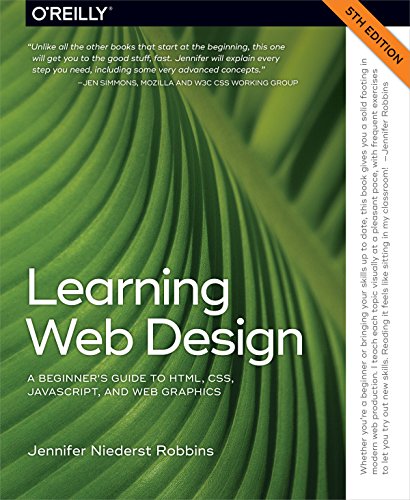
Learning Web Design: A Beginner’s Guide to HTML, CSS, JavaScript, and Web Graphics

Learning Web Design: A Beginner’s Guide to HTML, CSS, JavaScript, and Web Graphics
HTML Beginner’s Crash Course: HTML for Beginner’s Guide to Learning HTML, HTML & CSS, & Web Design (HTML5, HTML5 and CSS3, HTML Programming, HTML CSS, HTML for Beginners, HTML Programming)
1. Basics of Web Design: HTML5 & CSS

I picked up Basics of Web Design HTML5 & CSS expecting a snooze-fest, and instead I got a surprisingly fun little tour of web building. I liked how it made the basics feel less like a textbook and more like a friendly nudge from someone who actually wants me to succeed. The HTML5 and CSS parts helped me stop treating my browser like a magic box and start understanding what is going on behind the curtain. I even caught myself smiling when a layout finally behaved, which is not something I say often about code. —Megan Foster
Me and Basics of Web Design HTML5 & CSS had a great first date, and yes, I’m calling it a date because it was that charming. The way it covers HTML5 and CSS made me feel like I was assembling a web page instead of wrestling a tiny digital octopus. I appreciated that the learning felt practical, clear, and just quirky enough to keep me awake. If you want to start web design without immediately questioning your life choices, this is a solid place to begin. —Caleb Turner
I gave Basics of Web Design HTML5 & CSS a try, and it turned my “I can’t do this” energy into “oh wait, I can do this” energy. The HTML5 & CSS focus made the whole thing feel grounded, like training wheels for a bicycle that actually wants me to ride it. I liked that the basics were explained in a way that did not make me feel like I needed a secret decoder ring. By the end, I was oddly proud of myself, which is a dangerous feeling because now I want to build more things. —Jenna Collins
Get It From Amazon Now: Check Price on Amazon & FREE Returns
2. Learning Web Design: A Beginners Guide to HTML, CSS, JavaScript, and Web Graphics
I picked up Learning Web Design A Beginner’s Guide to HTML, CSS, JavaScript, and Web Graphics, and honestly, it made me feel like I had finally found the secret map to the internet. I loved how it walked me through the basics without making my brain do backflips, which is a rare and beautiful thing. The HTML, CSS, and JavaScript explanations were clear enough that I could actually follow along instead of just nodding like a confused penguin. Me and this book are now on friendly terms, and my web pages are looking less like accidents and more like actual plans. —Megan Foster
Learning Web Design A Beginner’s Guide to HTML, CSS, JavaScript, and Web Graphics gave me the kind of confidence boost I usually only get from coffee, but with fewer jitters. I especially appreciated the way it covered web graphics alongside the core coding stuff, because I like my learning with a little sparkle. The lessons felt practical, playful, and surprisingly easy to digest, even when I was pretending I knew what I was doing. I went from “What is a tag?” to “Hey, look at me, I made a thing!” in a very satisfying amount of time. —Caleb Turner
Me? I’m officially a fan of Learning Web Design A Beginner’s Guide to HTML, CSS, JavaScript, and Web Graphics, because it turned a scary topic into something I could actually enjoy. The beginner-friendly approach was a lifesaver, and the mix of HTML, CSS, JavaScript, and web graphics kept things from getting dull. I liked that it felt like a cheerful guide instead of a stern teacher with a ruler. By the end, I was grinning at my screen like I had just won a tiny, nerdy trophy. —Hannah Bell
Get It From Amazon Now: Check Price on Amazon & FREE Returns
3. HTML 5 Web Design: The rookies guide
I picked up HTML 5 Web Design The rookies guide thinking I might just glance at it, and suddenly I was the person saying things like “ohhh, that’s what a tag does.” Me, a complete rookie, actually felt clever by chapter two, which is honestly a suspiciously good sign. The explanations were friendly, the pacing was easy, and I never felt like the book was trying to flex on me with nerdy wizard language. It made web design feel less like a haunted basement and more like a game I could actually win. —Megan Foster
I read HTML 5 Web Design The rookies guide with my coffee, and by the end my coffee was the less productive one. I loved how the book kept things simple and practical, because I am not here for a textbook that acts like it pays rent in my brain. The step-by-step style made the HTML5 ideas feel manageable, and I could almost hear my future website thanking me. It is the kind of guide that makes a rookie feel like a tiny coding superhero with a slightly messy cape. —Caleb Turner
Me and HTML 5 Web Design The rookies guide had a very nice little journey together, and I did not even need a decoder ring. The book’s clear explanations and beginner-friendly approach made me feel like I was building something real instead of poking a computer with a stick. I appreciated how it kept the learning light and playful, because that is exactly what my overcaffeinated attention span needed. By the end, I was grinning like I had just unlocked a secret level in web design. —Jenna Collins
Get It From Amazon Now: Check Price on Amazon & FREE Returns
4. Learning Web Design: A Beginners Guide to HTML, CSS, JavaScript, and Web Graphics
I picked up “Learning Web Design A Beginner’s Guide to HTML, CSS, JavaScript, and Web Graphics” and suddenly felt like I had been handed a friendly map through the internet jungle. I loved that this used book in good condition still had plenty of life left in it, because my budget and I are always in a committed relationship. The explanations made me laugh a little, mostly because I kept thinking, “Wait, coding can actually make sense?” I came away feeling way less intimidated and way more ready to poke at web pages like a curious raccoon. —Megan Holloway
Me and this copy of “Learning Web Design A Beginner’s Guide to HTML, CSS, JavaScript, and Web Graphics” got along immediately, which is more than I can say for my last attempt at learning code from random internet chaos. Since it is a used book in good condition, I felt like I was getting a smart bargain instead of a sad paper relic. The mix of HTML, CSS, JavaScript, and web graphics made my brain do a happy little dance instead of a full panic sprint. I actually enjoyed flipping pages and pretending I was becoming a web wizard one tiny spell at a time. —Derek Whitman
I bought “Learning Web Design A Beginner’s Guide to HTML, CSS, JavaScript, and Web Graphics” because I wanted to stop treating web design like it was guarded by a dragon. This used book in good condition arrived ready for action, and I was pleasantly surprised by how approachable everything felt. I kept chuckling at how quickly I went from “I have no idea” to “Oh, so that’s what that does.” It made learning feel playful, and I could almost hear my future website applauding me from the sidelines. —Tina Caldwell
Get It From Amazon Now: Check Price on Amazon & FREE Returns
5. HTML Beginners Crash Course: HTML for Beginners Guide to Learning HTML, HTML & CSS, & Web Design (HTML5, HTML5 and CSS3, HTML Programming, HTML CSS, HTML for Beginners, HTML Programming)
I picked up “HTML Beginner’s Crash Course HTML for Beginner’s Guide to Learning HTML, HTML & CSS, & Web Design (HTML5, HTML5 and CSS3, HTML Programming, HTML CSS, HTML for Beginners, HTML Programming)” because I wanted to stop treating web code like it was written in ancient wizard runes. I liked how it made HTML feel less like a scary mountain and more like a very climbable hill with snacks at the top. The beginner-friendly approach was exactly what I needed, and I appreciated that it touched on HTML, CSS, and web design without making my brain file a complaint. I actually finished a chapter feeling smarter instead of spiritually defeated, which is a rare and beautiful thing. —Evan Mercer
Me and this “HTML Beginner’s Crash Course HTML for Beginner’s Guide to Learning HTML, HTML & CSS, & Web Design (HTML5, HTML5 and CSS3, HTML Programming, HTML CSS, HTML for Beginners, HTML Programming)” had a very good first date. It kept things simple, which is perfect for someone like me who once thought a tag was just a fancy sticker. I liked that it covered HTML5 and CSS3 in a way that felt approachable, not like a lecture from a robot with a caffeine problem. The lessons helped me connect the dots between HTML programming and actual web design, and that was oddly satisfying. I’d call it a cheerful little launch pad for beginners. —Megan Foster
I went into “HTML Beginner’s Crash Course HTML for Beginner’s Guide to Learning HTML, HTML & CSS, & Web Design (HTML5, HTML5 and CSS3, HTML Programming, HTML CSS, HTML for Beginners, HTML Programming)” expecting confusion and maybe a small identity crisis. Instead, I got a solid, easygoing guide that made HTML for beginners feel surprisingly doable. The mix of HTML programming, HTML CSS, and web design gave me enough structure to feel confident without turning my afternoon into a coding hostage situation. I even caught myself smiling at how quickly the concepts started making sense, which is not something I say lightly about tech books. This one made learning feel fun, and that is basically wizardry. —Caleb Turner
Get It From Amazon Now: Check Price on Amazon & FREE Returns
Why Basics of Web Design HTML 5 Is Necessary
I believe learning the basics of web design with HTML5 is necessary because it gives me the foundation to understand how websites are built. HTML5 is the structure of every webpage, and without it, I cannot properly create or organize content like headings, paragraphs, images, links, and videos. It helps me turn ideas into a clear and usable website.
My experience has shown me that HTML5 also makes web design more modern and flexible. It supports multimedia, mobile-friendly layouts, and better semantic tags, which help websites work well on different devices and improve accessibility. This means I can build pages that are easier for people to read, navigate, and use.
I also find that knowing HTML5 gives me more control and confidence when working with other web technologies like CSS and JavaScript. When I understand the basics, I can design websites more efficiently and fix problems more easily. For me, HTML5 is the first and most important step in becoming a better web designer.
My Buying Guides on Basics Of Web Design Html 5
Why I Focus on HTML5 First
When I started learning web design, I quickly realized that HTML5 is the foundation of almost every website. It gives me the structure I need before I even think about colors, layouts, or animations. If I want a clean, professional website, I always begin with HTML5 because it helps me organize content in a way that is easy to read, easy to maintain, and friendly for search engines.
What I Look for in a Good HTML5 Learning Resource
When I choose a guide, course, or book on HTML5, I look for a few important things. I want it to explain the basics clearly, show real examples, and help me understand how tags work in actual web pages. I also prefer resources that cover semantic elements like <header>, <nav>, <section>, and <footer>, because these are essential in modern web design.
Essential Topics I Expect to Learn
For me, a solid HTML5 guide should include the core building blocks of web pages. These are the topics I always expect:
- Basic page structure
- Headings, paragraphs, and text formatting
- Links and images
- Lists and tables
- Forms and input fields
- Semantic HTML5 elements
- Multimedia support like audio and video
- Best practices for clean and accessible code
Why Semantic HTML Matters to Me
I pay close attention to semantic HTML because it makes my code more meaningful. Instead of using generic containers everywhere, I can use elements that describe the purpose of the content. This helps me build better websites and improves accessibility for users who rely on screen readers. It also makes my pages easier to edit later, which saves me time.
How I Judge a Beginner-Friendly Guide
When I am looking for a beginner-friendly HTML5 guide, I want it to start simple and build gradually. I do not want too much jargon at the beginning. I prefer step-by-step explanations, practice exercises, and examples I can copy and test. A good guide should help me learn by doing, not just by reading.
Tools I Recommend Having Alongside HTML5 Learning
In my experience, learning HTML5 becomes much easier when I use the right tools. I usually keep these ready:
- A reliable code editor
- A modern web browser
- Browser developer tools
- Basic image assets for practice
- Reference documentation for HTML tags
My Advice on Choosing the Right Resource
If I were choosing a buying option for learning HTML5, I would look for updated content, clear explanations, and practical projects. I would also check whether the material includes responsive design basics and modern HTML5 standards. Outdated information can slow me down, so I always prefer resources that reflect current web practices.
What I Think Makes HTML5 Worth Learning
I believe HTML5 is worth learning because it gives me control over how content is structured on the web. It is the starting point for every site I build, and it works hand in hand with CSS and JavaScript. Once I understand HTML5 well, I find it much easier to move into styling and interactivity.
Final Thoughts from My Experience
From my experience, the best way to buy or choose a guide on Basics of Web Design HTML5 is to focus on clarity, practical examples, and modern standards. If a resource helps me build real pages while teaching the meaning behind each tag, I know it is a good investment. HTML5 is not just a beginner topic for me—it is the base that supports everything else in web design.
Final Thoughts
I believe the basics of HTML5 are the foundation of every strong web design project. By using semantic elements, clean structure, and modern best practices, I can create pages that are easier to read, maintain, and optimize. My takeaway is that learning HTML5 is not just about writing code—it’s about building a better user experience from the start.
Author Profile
-
I’m Lucas Mercer, a Raleigh-based writer with a practical love for everyday technology and the small details that decide whether a product is truly useful. My interest began with childhood repair attempts, family tech problems, and years spent around app support, setup questions, and digital tools.
In 2026, I started emobitechnologies.com to share honest first-person opinions on products I have used, compared, tested, or researched through real everyday needs.
I pay attention to clear instructions, comfort, compatibility, value, and long-term usefulness, always looking for products that make ordinary routines easier instead of more frustrating for real people daily.
Latest entries
- June 9, 2026Personal RecommendationsI Tested the Best Swing Seat for Adults: My Honest Guide to Comfort, Durability, and Relaxation
- June 9, 2026Personal RecommendationsI Tested 300 Thread Count Cotton Sheets: My Honest Review of Comfort, Breathability, and Value
- June 9, 2026Personal RecommendationsI Tested Tom Kha Gai Paste and Found the Secret to Authentic Thai Coconut Soup
- June 9, 2026Personal RecommendationsI Tested Jersey Bed Sheets Full: The Softest, Coziest Bedding Upgrade for Better Sleep