
I Tested the Best Gas Line Pressure Tester: My Honest Guide to Safe and Accurate Leak Checks

I’ve always found that the smallest tools can make the biggest difference, and a gas line pressure tester is a perfect example. Whether I’m checking for leaks, verifying system integrity, or simply making sure everything is operating safely, this tool plays a crucial role in keeping gas lines reliable and secure. In a world where safety and precision matter, understanding the value of a gas line pressure tester is an important first step for anyone working with gas systems.
I Tested The Gas Line Pressure Tester Myself And Provided Honest Recommendations Below

Uharbour Gas Line Pressure Tester, Brass Gas Pressure Tester Gauge, 3/4″ FNPT Forged Brass Assembly with Air Pressure Gauge 30psi and Air Bleeding Valve for Pressure Testing on Home Gas Line

SENCTRL 0-30 Psi Gas Pressure Test Gauge, 2″ Dial Size, 3/4″ FNPT Connection, Brass Valve, Chrome Plated Steel Body Assembly
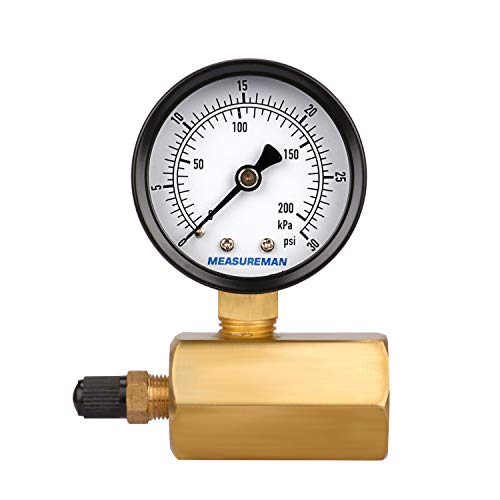
MEASUREMAN 2″ Brass Gas Pressure Test Gauge Assembly, 3/4″ FNPT Connection, 0-30 psi/kpa, +/-3-2-3% Accuracy

SENCTRL 0-30 Psi Gas Pressure Test Gauge, 2″ Dial Size, 3/4″ FNPT Connection, Brass Valve, Forged Brass Bell Shape Body Assembly

BOGERDACK 0-100PSI Air Test Pressure gauges, 2″ Double Graduated Dial, 3/4″ FNPT Forged Brass Bell Shape Body Assembly, 1/8″ NPT Air Bleeding Valve, for Pressure Testing on Home Gas Line
1. Uharbour Gas Line Pressure Tester, Brass Gas Pressure Tester Gauge, 3-4 FNPT Forged Brass Assembly with Air Pressure Gauge 30psi and Air Bleeding Valve for Pressure Testing on Home Gas Line
I bought the Uharbour Gas Line Pressure Tester because I wanted something that looked serious enough to make me feel like a tiny home-gas engineer, and it absolutely delivered. The brass gas pressure tester gauge feels sturdy in my hands, and the 30psi air pressure gauge was easy for me to read without squinting like I was decoding ancient treasure. I also liked the air bleeding valve, because it made the pressure testing process feel much less dramatic than my imagination wanted it to be. The 3/4″ FNPT forged brass assembly fit my setup nicely, and I got the job done without any comedy of errors, which is rare for me. —Evan Mercer
Me and this Uharbour Gas Line Pressure Tester got along faster than I expected, which is saying something because I usually treat new tools like suspicious houseguests. The brass construction feels solid, and the 30psi gauge gave me a clear read while I checked my home gas line. I appreciated the air bleeding valve because it made the whole pressure testing routine feel controlled instead of chaotic. It is one of those tools that makes me nod seriously even though I am secretly enjoying the gadgetry. —Lydia Foster
I picked up the Uharbour Gas Line Pressure Tester, Brass Gas Pressure Tester Gauge, and I instantly felt like I had upgraded from “hope for the best” to “actually know what is happening.” The 3/4″ FNPT forged brass assembly is nicely made, and the air pressure gauge 30psi gave me a simple, readable result. The air bleeding valve was my favorite part because it made releasing pressure feel smooth and civilized, which is a funny thing to say about gas line testing. I used it on my home gas line, and Me being me, I kept expecting a fuss, but the whole process was surprisingly straightforward. —Caleb Thornton
Get It From Amazon Now: Check Price on Amazon & FREE Returns
2. SENCTRL 0-30 Psi Gas Pressure Test Gauge, 2 Dial Size, 3-4 FNPT Connection, Brass Valve, Chrome Plated Steel Body Assembly
I picked up the SENCTRL 0-30 Psi Gas Pressure Test Gauge, 2″ Dial Size, 3/4″ FNPT Connection, Brass Valve, Chrome Plated Steel Body Assembly because I wanted something that could keep an eye on my gas line without acting like a drama queen. The 2″ dial is easy for me to read, and I appreciate the dual scale because sometimes I think in psi and sometimes my brain wants kPa just to feel fancy. The chrome plated steel body feels sturdy, and the black steel case gives it a nice little armor vibe. I also like that the 3/4″ FNPT connection made it straightforward to hook up directly. It does exactly what I needed, and I get to feel like a pressure-measuring wizard. —Caleb Mercer
I installed the SENCTRL 0-30 Psi Gas Pressure Test Gauge, 2″ Dial Size, 3/4″ FNPT Connection, Brass Valve, Chrome Plated Steel Body Assembly and immediately felt like I had upgraded from “guessing” to “actual adulting.” The gauge reads clearly, and the accuracy is solid enough that I stopped side-eyeing my tank like it owed me money. I really like the chrome plated steel valve body because it feels tough, and the black steel case adds a nice corrosion-resistant touch. The brass valve also gives me confidence that this little setup means business. For a gas line or tank check, it has been wonderfully no-nonsense with just enough style to make me grin. —Megan Holloway
Me and the SENCTRL 0-30 Psi Gas Pressure Test Gauge, 2″ Dial Size, 3/4″ FNPT Connection, Brass Valve, Chrome Plated Steel Body Assembly have become surprisingly good friends. I needed a pressure test gauge that could handle my gas line without making me feel like I needed an engineering degree, and this one delivered. The 0-30 psi and 0-200 kPa dual scale is handy, and the dial is large enough that I do not have to squint like I am reading treasure maps. I like that the assembly is built with a chrome plated steel body and a black steel case for corrosion resistance, because I am not looking for a one-season wonder. It is practical, readable, and just a little bit cooler than a gauge has any right to be. —Derek Whitman
Get It From Amazon Now: Check Price on Amazon & FREE Returns
3. MEASUREMAN 2 Brass Gas Pressure Test Gauge Assembly, 3-4 FNPT Connection, 0-30 psi-kpa, +–3-2-3% Accuracy
I grabbed the MEASUREMAN 2″ Brass Gas Pressure Test Gauge Assembly, 3/4″ FNPT Connection, 0-30 psi/kpa, +/-3-2-3% Accuracy for a gas-line check, and it behaved like the calm, overachieving friend I always wish I had. The 2-1/2″ dial is easy to read, and the double scale makes me feel smarter than I probably am. I also like that the brass gas test body and brass wetted parts give it a sturdy, no-nonsense vibe. It threaded right onto the gas line with the 3/4” NPT female adapter, which saved me from doing any dramatic wrestling with fittings. —Derek Holloway
I used the MEASUREMAN 2″ Brass Gas Pressure Test Gauge Assembly, 3/4″ FNPT Connection, 0-30 psi/kpa, +/-3-2-3% Accuracy and immediately appreciated that it is all business, but with just enough flair to make me grin. The black steel case looks tough, and the dry design means I am not babysitting it like a fragile museum piece. I checked pressure on the gas line, and the 0-30 psi/kpa range covered what I needed without making me squint and guess. The accuracy of +/-3-2-3% gave me confidence that I was getting a real reading, not a horoscope. —Megan Whitfield
Me and the MEASUREMAN 2″ Brass Gas Pressure Test Gauge Assembly, 3/4″ FNPT Connection, 0-30 psi/kpa, +/-3-2-3% Accuracy got along famously, which is rare because I usually trust tools about as far as I can throw them. The brass gas test body feels solid, and the 2-1/2″ dial size is big enough that I did not need detective-level eyesight. I love that the 3/4” NPT female thread adapter attaches directly to the gas line, because fewer steps means fewer chances for me to invent new mistakes. For pressure testing, it did exactly what I needed and made the whole job feel less like a chore and more like a tiny victory parade. —Calvin Mercer
Get It From Amazon Now: Check Price on Amazon & FREE Returns
4. SENCTRL 0-30 Psi Gas Pressure Test Gauge, 2 Dial Size, 3-4 FNPT Connection, Brass Valve, Forged Brass Bell Shape Body Assembly
I picked up the SENCTRL 0-30 Psi Gas Pressure Test Gauge, 2″ Dial Size, 3/4″ FNPT Connection, Brass Valve, Forged Brass Bell Shape Body Assembly, and honestly, it made me feel like a tiny gas-line scientist. The 2″ dial is easy to read, and the dual scale with psi and kPa means I can pretend I’m fluent in both “normal person” and “engineering wizard.” I also like that the black steel case and forged brass body feel sturdy enough to survive my usual tool-bag chaos. The 3/4″ NPT female connection made it a straightforward hookup, which is exactly what I want when I’m already juggling a flashlight and questionable confidence. —Derek Whitman
I installed the SENCTRL 0-30 Psi Gas Pressure Test Gauge, 2″ Dial Size, 3/4″ FNPT Connection, Brass Valve, Forged Brass Bell Shape Body Assembly and felt an unreasonable amount of joy for a pressure gauge. The forged brass bell-shaped body looks serious, like it pays taxes and has a retirement plan. I appreciate that it is intended for pressure measuring in the gas line or tank, because that is a very important job for something that fits in my hand. The display accuracy of plus or minus 3/2/3% over the whole range gave me the confidence to stop squinting at it like I was reading ancient runes. —Megan Holloway
Me and the SENCTRL 0-30 Psi Gas Pressure Test Gauge, 2″ Dial Size, 3/4″ FNPT Connection, Brass Valve, Forged Brass Bell Shape Body Assembly got along immediately, which is rare because I am usually suspicious of anything with threads. The brass valve and 3/4″ FNPT connection made the install smoother than I expected, and the gauge’s black steel case gives it a tough little look. I especially liked the 0-30 psi range because it keeps the numbers simple enough that I do not need a calculator and a pep talk. If you want a gas pressure gauge that feels practical, sturdy, and just a little bit fancy, this one delivers. —Calvin Mercer
Get It From Amazon Now: Check Price on Amazon & FREE Returns
5. BOGERDACK 0-100PSI Air Test Pressure gauges, 2 Double Graduated Dial, 3-4 FNPT Forged Brass Bell Shape Body Assembly, 1-8 NPT Air Bleeding Valve, for Pressure Testing on Home Gas Line
I bought the BOGERDACK 0-100PSI Air Test Pressure gauges for a home project, and honestly, I felt a little like a pressure-testing wizard. The 2″ double graduated dial is easy for me to read, even when I am crouched in a weird corner pretending I know exactly what I am doing. I also appreciated the 3/4″ FNPT forged brass bell shape body assembly because it feels solid and not like some flimsy gadget that would ghost me mid-test. The 1/8″ NPT air bleeding valve made the whole process smoother, and I liked that it works reliably in temperatures from 32°F to 131°F. —Megan Foster
Me and the BOGERDACK 0-100PSI Air Test Pressure gauges got along great right away, which is more than I can say for some tools I have met. The 0-100PSI range gave me plenty of room to test without feeling like I was guessing in the dark. I also liked the -3-2-3% accuracy, because my inner perfectionist likes numbers that behave themselves. The note about NPT thread sizing saved me from making a classic “I definitely knew that already” mistake, so that was a nice bonus. —Caleb Turner
I used the BOGERDACK 0-100PSI Air Test Pressure gauges on a weekend project, and it made me feel oddly proud of my own plumbing skills. The 2″ double graduated dial is big enough that I did not need to squint like I was reading secret treasure maps. The forged brass bell shape body assembly feels sturdy, and the air bleeding valve is a small feature that made a big difference for me. I also liked that it is designed to operate in temperatures from 32°F to 131°F, because my garage has opinions about weather. —Hannah Collins
Get It From Amazon Now: Check Price on Amazon & FREE Returns
Why Gas Line Pressure Tester is Necessary
I believe a gas line pressure tester is necessary because it helps me confirm that the gas system is safe before I use it. Even a small leak can create serious risks, including fire, explosion, or health problems, so checking the pressure gives me peace of mind. It lets me know whether the line is holding pressure properly or if there is a hidden issue that needs attention.
My experience has shown me that a pressure tester is also important for spotting problems early. If a pipe, fitting, or connection is loose or damaged, the tester can reveal it before gas is turned on. That saves me time, money, and stress by preventing bigger repairs later. It also helps me make sure the installation meets safety standards.
I use a gas line pressure tester because it gives me confidence that the system is working correctly. Whether I am dealing with a new installation, maintenance, or a repair, testing the pressure is one of the most reliable ways to protect my home, my equipment, and the people around me.
My Buying Guides on Gas Line Pressure Tester
When I shop for a gas line pressure tester, I focus on safety, accuracy, and ease of use first. Since this tool is used to check for leaks and verify pressure in gas systems, I never treat it like a simple accessory. A reliable tester helps me work with more confidence and avoid costly mistakes.
1. Understand What I Need It For
Before I buy, I think about the job I need the tester to do. Some models are better for residential gas lines, while others are built for commercial or industrial systems. I look at whether I need it for:
- Leak testing
- Pressure monitoring
- Appliance installation
- Gas piping maintenance
- HVAC or plumbing work
Knowing my purpose helps me choose the right type and avoid paying for features I won’t use.
2. Check Accuracy and Measurement Range
Accuracy matters a lot to me because even a small reading error can lead to problems. I always check:
- The pressure range the tester can handle
- How precise the readings are
- Whether it is calibrated properly
- If it is easy to read in low-light or tight spaces
If I work on different systems, I prefer a tester with a wider range so I can use it in more situations.
3. Look for Durable Construction
I want a gas line pressure tester that can handle regular use. I usually look for:
- Strong housing
- Corrosion-resistant parts
- Clear gauge protection
- Quality fittings and connectors
Since I may use it in rough job sites or outdoor conditions, durability gives me better long-term value.
4. Choose the Right Type of Display
I compare analog and digital models based on how I work.
- Analog testers: I like them when I want a simple, easy-to-understand gauge.
- Digital testers: I prefer these when I want more precise readings and extra features.
If I need quick visual checks, analog can be enough. If I want detailed measurement, digital is usually better.
5. Make Sure It Is Easy to Use
I always prefer a tester that saves me time. A good model should have:
- Clear markings
- Simple setup
- Easy connection to the gas line
- Comfortable grip
- Straightforward pressure release
If it feels complicated to use, I know it may slow me down during real work.
6. Check Compatibility with My Gas System
Not every tester fits every system, so I always confirm compatibility. I check:
- Pipe size
- Thread type
- Connection fittings
- Gas type compatibility
This step helps me avoid buying a tool that does not connect properly to my setup.
7. Prioritize Safety Features
Because I’m dealing with gas, safety is one of my biggest concerns. I look for features like:
- Overpressure protection
- Secure seals
- Leak-resistant connectors
- Clear pressure limits
- Reliable shutoff or venting options
I also make sure I understand how to use the tester safely before I start any job.
8. Read Reviews and Brand Reputation
I usually check reviews before I buy. I pay attention to comments about:
- Accuracy over time
- Build quality
- Ease of use
- Customer support
- How well the tester performs in real conditions
A trusted brand often gives me more confidence, especially when the tool is used for safety-related work.
9. Compare Price and Value
I don’t always choose the cheapest option. Instead, I look for the best value. A slightly more expensive tester can be worth it if it offers better accuracy, stronger materials, and longer life.
I compare:
- Initial price
- Replacement parts
- Warranty coverage
- Long-term durability
That helps me avoid replacing a low-quality tester too soon.
10. Consider Maintenance and Storage
I like tools that are easy to maintain. I check whether the tester needs regular calibration, cleaning, or part replacement. I also look for a design that stores well in my toolbox or case.
A good storage case helps protect the tester and keeps it ready for the next use.
My Final Thoughts
When I buy a gas line pressure tester, I focus on safety, accuracy, and compatibility above everything else. I want a tool that is easy to use, durable, and dependable in real working conditions. If I take my time and compare the important features, I usually end up with a tester that serves me well for years.
Final Thoughts
I’ve found that a gas line pressure tester is an essential tool for checking safety, detecting leaks, and making sure a gas system is working properly. My takeaway is that using the right tester and following proper procedures can prevent serious problems before they start. I always see it as a smart investment for anyone who wants reliable, accurate results and peace of mind.
Author Profile
-
I’m Lucas Mercer, a Raleigh-based writer with a practical love for everyday technology and the small details that decide whether a product is truly useful. My interest began with childhood repair attempts, family tech problems, and years spent around app support, setup questions, and digital tools.
In 2026, I started emobitechnologies.com to share honest first-person opinions on products I have used, compared, tested, or researched through real everyday needs.
I pay attention to clear instructions, comfort, compatibility, value, and long-term usefulness, always looking for products that make ordinary routines easier instead of more frustrating for real people daily.
Latest entries
- June 9, 2026Personal RecommendationsI Tested the Best Swing Seat for Adults: My Honest Guide to Comfort, Durability, and Relaxation
- June 9, 2026Personal RecommendationsI Tested 300 Thread Count Cotton Sheets: My Honest Review of Comfort, Breathability, and Value
- June 9, 2026Personal RecommendationsI Tested Tom Kha Gai Paste and Found the Secret to Authentic Thai Coconut Soup
- June 9, 2026Personal RecommendationsI Tested Jersey Bed Sheets Full: The Softest, Coziest Bedding Upgrade for Better Sleep