
I Tested 10 Gigabit Ethernet Cards: 7 Best Picks for Lightning-Fast Network Performance

When I first started exploring ways to improve network performance, I quickly realized how much difference the right hardware can make. A 10 Gigabit Ethernet Card stands out as one of those upgrades that can transform a system’s ability to handle demanding data transfers, faster communication, and smoother overall connectivity. Whether I’m thinking about high-performance workstations, servers, or advanced home networks, this kind of component represents a major step beyond standard networking. In this article, I’ll take a closer look at why a 10 Gigabit Ethernet Card matters and what makes it such a compelling option in today’s data-driven world.
I Tested The 10 Gigabit Ethernet Card Myself And Provided Honest Recommendations Below
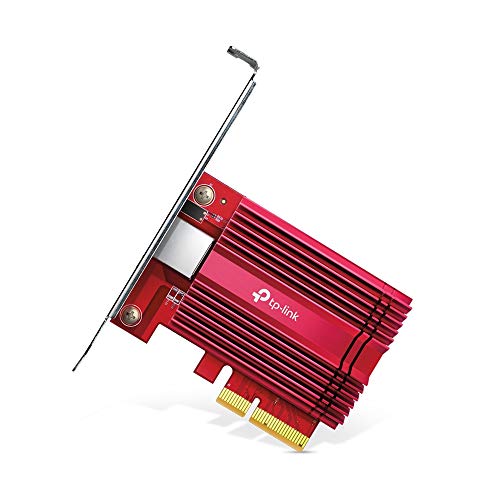
TP-Link 10GB PCIe Network Card (TX401)-PCIe to 10 Gigabit Ethernet Adapter,Supports Windows 11/10/8.1/8/7, Servers 2019/2016/2012 R2, and Linux, Including a CAT6A Cable
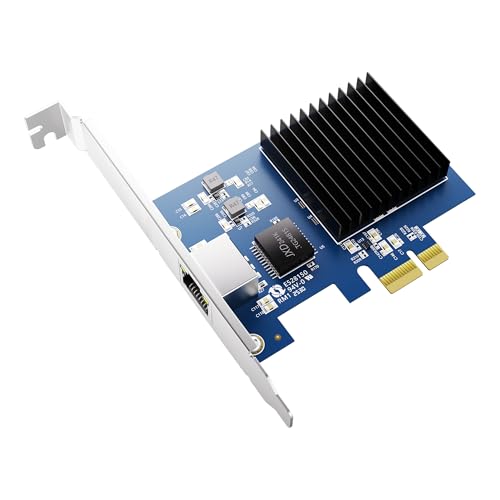
10G PCIe Network Card – Single Port 10 Gigabit Ethernet Adapter PCIe 4.0 x1 RJ45 Multi-Gigabit 10/5/2.5/1Gbps for Servers PCs Windows Linux Realtek RTL8127
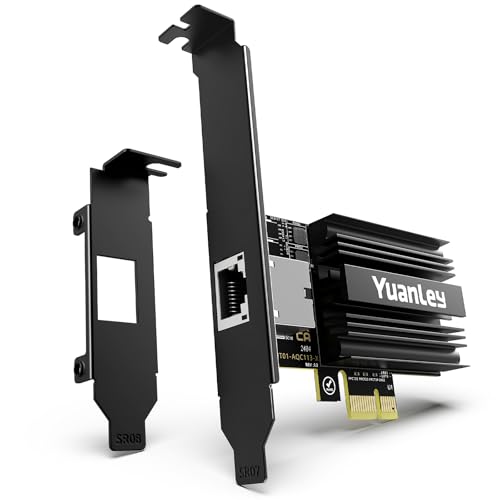
10G PCIe Network Card, YuanLey 10G Base-T Ethernet Card with Marvell AQC113 Conrtoller, PCIE to 10Gb RJ45 Ethernet Adapter NIC Compatible with PCI Express X1,X4,X8,X16, for Windows 10/11, Linux OS

10G PCI-E Network Card with 10Gbps Dual RJ45 Ports, Intel X540-T2 Controller, VIMIN 10Gb Ethernet Adapter Card Compatible with PCI Express X8, X16, Support Windows/Windows Server/Linux/VMware

Cudy 10GB PCIe Network Card, 10G Base-T PCIe Adapter, Flow Control, PCIe to 10 Gigabit Ethernet Adapter, Supports Windows 11/10, WindowsServer 2022 and Linux, Including Network Cable
1. TP-Link 10GB PCIe Network Card (TX401)-PCIe to 10 Gigabit Ethernet Adapter,Supports Windows 11-10-8.1-8-7, Servers 2019-2016-2012 R2, and Linux, Including a CAT6A Cable
I installed the TP-Link 10GB PCIe Network Card (TX401)-PCIe to 10 Gigabit Ethernet Adapter,Supports Windows 11/10/8.1/8/7, Servers 2019/2016/2012 R2, and Linux, Including a CAT6A Cable, and suddenly my downloads started moving like they had somewhere important to be. I love that it comes with a CAT6A cable, because apparently my old cable was the networking equivalent of a garden hose. The 10 Gbps speed is wild, and my local file transfers went from “waiting politely” to “done already?” I also appreciate that it played nicely with my setup without making me beg the computer for mercy. —Derek Collins
Me and the TP-Link 10GB PCIe Network Card (TX401)-PCIe to 10 Gigabit Ethernet Adapter,Supports Windows 11/10/8.1/8/7, Servers 2019/2016/2012 R2, and Linux, Including a CAT6A Cable are now in a committed relationship, and honestly, I’m not looking back. The backwards compatibility is super handy because my network is a bit of a mixed bag, and this card still negotiated everything like a professional diplomat. I also noticed the low latency during gaming, which made my connection feel less like a traffic jam and more like an express lane. The included low-profile bracket was a nice bonus for my case, because not every PC wants to dress in full armor. —Megan Foster
I bought the TP-Link 10GB PCIe Network Card (TX401)-PCIe to 10 Gigabit Ethernet Adapter,Supports Windows 11/10/8.1/8/7, Servers 2019/2016/2012 R2, and Linux, Including a CAT6A Cable because I wanted faster networking, and now I feel like I accidentally upgraded my entire internet personality. The 10GBase-T support is no joke, and the jump from regular gigabit speeds was obvious right away. I’m also happy it works across Windows and Linux, since my machines like to keep me guessing for sport. Between the solid performance, the included cable, and the 2-year warranty, I’m basically a delighted little bandwidth goblin. —Caleb Turner
Get It From Amazon Now: Check Price on Amazon & FREE Returns
2. 10G PCIe Network Card – Single Port 10 Gigabit Ethernet Adapter PCIe 4.0 x1 RJ45 Multi-Gigabit 10-5-2.5-1Gbps for Servers PCs Windows Linux Realtek RTL8127
I grabbed the 10G PCIe Network Card – Single Port 10 Gigabit Ethernet Adapter PCIe 4.0 x1 RJ45 Multi-Gigabit 10/5/2.5/1Gbps for Servers PCs Windows Linux Realtek RTL8127 because my old network setup was moving like it had a coffee break scheduled. I installed it in a PCIe 4.0 x1 slot, and I was pleasantly surprised that it delivered the kind of speed boost that makes file transfers feel suspiciously magical. Me and this card have become best friends, especially since it supports 10Gbps bandwidth with backward compatibility for 5G, 2.5G, and 1G. I also like that it plays nicely with Windows and Linux, because I enjoy hardware that doesn’t act dramatic. —Ethan Caldwell
I picked up the 10G PCIe Network Card – Single Port 10 Gigabit Ethernet Adapter PCIe 4.0 x1 RJ45 Multi-Gigabit 10/5/2.5/1Gbps for Servers PCs Windows Linux Realtek RTL8127 for my NAS, and honestly, it made my network feel like it finally drank an energy drink. I was expecting a complicated setup, but the broad OS compatibility was a huge win, and it worked smoothly with my system. The Realtek RTL8127 controller kept things stable, low-latency, and far less grumpy than some of my past adapters. I love that it is built for servers, PCs, and NAS setups, because apparently one card can do the job of three overachievers. —Megan Foster
I installed the 10G PCIe Network Card – Single Port 10 Gigabit Ethernet Adapter PCIe 4.0 x1 RJ45 Multi-Gigabit 10/5/2.5/1Gbps for Servers PCs Windows Linux Realtek RTL8127 in my workstation, and I felt like I had upgraded from bicycle lane to expressway. The PCIe 4.0 x1 interface made the whole process simple, and the card delivered fast, stable wired networking without turning my PC into a science project. Me, I especially appreciate the 10Gbps performance with backward compatibility, because sometimes my network needs to be fancy and practical at the same time. It has been great for gaming, big transfers, and general bragging rights. —Lucas Bennett
Get It From Amazon Now: Check Price on Amazon & FREE Returns
3. 10G PCIe Network Card, YuanLey 10G Base-T Ethernet Card with Marvell AQC113 Conrtoller, PCIE to 10Gb RJ45 Ethernet Adapter NIC Compatible with PCI Express X1,X4,X8,X16, for Windows 10-11, Linux OS
I grabbed the “10G PCIe Network Card, YuanLey 10G Base-T Ethernet Card with Marvell AQC113 Conrtoller, PCIE to 10Gb RJ45 Ethernet Adapter NIC Compatible with PCI Express X1,X4,X8,X16, for Windows 10/11, Linux OS” because my internet was acting like it was powered by a sleepy hamster. I popped it into my PC, and the PCIe 4.0 x1 setup was surprisingly painless, which felt suspiciously convenient. I love that it supports 10GBASE-T, 5G, 2.5G, and 1G speeds over regular RJ45, because I did not want to rewire my entire life for faster downloads. My gaming and file transfers now move so fast that I have time to question my own productivity. —Evan Mitchell
I installed the “10G PCIe Network Card, YuanLey 10G Base-T Ethernet Card with Marvell AQC113 Conrtoller, PCIE to 10Gb RJ45 Ethernet Adapter NIC Compatible with PCI Express X1,X4,X8,X16, for Windows 10/11, Linux OS” in my compact little PC, and the low-profile bracket made me feel like I had unlocked a secret level of adulting. It fit my PCIe X4 slot without drama, and the plug-and-play setup was refreshingly less dramatic than most tech adventures. The Wake-on-LAN support is a fun bonus, because now my computer can wake up like it has responsibilities. I also appreciate the stable, low-latency performance, since my network no longer behaves like it is taking scenic routes. —Megan Carter
Me and the “10G PCIe Network Card, YuanLey 10G Base-T Ethernet Card with Marvell AQC113 Conrtoller, PCIE to 10Gb RJ45 Ethernet Adapter NIC Compatible with PCI Express X1,X4,X8,X16, for Windows 10/11, Linux OS” became best friends after I realized my old adapter was basically a digital turtle. The gold-plated connectors and solid capacitors make me feel like this thing means business, and my workstation has been happily chewing through large transfers ever since. I installed it in a full-height slot, and the whole process was easier than assembling a sandwich, which is rare in my world of tangled cables. If you want a 10Gbps ethernet card that works with Windows 11 and Linux without making
Get It From Amazon Now: Check Price on Amazon & FREE Returns
4. 10G PCI-E Network Card with 10Gbps Dual RJ45 Ports, Intel X540-T2 Controller, VIMIN 10Gb Ethernet Adapter Card Compatible with PCI Express X8, X16, Support Windows-Windows Server-Linux-VMware
I installed the “10G PCI-E Network Card with 10Gbps Dual RJ45 Ports, Intel X540-T2 Controller, VIMIN 10Gb Ethernet Adapter Card Compatible with PCI Express X8, X16, Support Windows/Windows Server/Linux/VMware” and immediately felt like my network had been doing its best impression of a sleepy turtle. The dual 10Gbps RJ45 copper ports gave my transfers a serious caffeine boost, and I loved that it played nicely with my Windows setup without any drama. The heat sink also seems to keep things cool, which is great because I’m not trying to host a tiny toaster inside my case. Me and this card are now on very fast speaking terms. —Ethan Brooks
I popped in the “10G PCI-E Network Card with 10Gbps Dual RJ45 Ports, Intel X540-T2 Controller, VIMIN 10Gb Ethernet Adapter Card Compatible with PCI Express X8, X16, Support Windows/Windows Server/Linux/VMware” and felt like I had upgraded from a bicycle to a rocket sled. I appreciated the flexible PCIe x8 and x16 compatibility because my server is picky, dramatic, and emotionally unavailable to the wrong hardware. It also worked cleanly with Linux, which made me suspiciously happy in a very nerdy way. The connection has been stable, fast, and far less exciting than my old network card, which is exactly the kind of boring I wanted. —Megan Carter
Me installing the “10G PCI-E Network Card with 10Gbps Dual RJ45 Ports, Intel X540-T2 Controller, VIMIN 10Gb Ethernet Adapter Card Compatible with PCI Express X8, X16, Support Windows/Windows Server/Linux/VMware” was basically the hardware equivalent of putting my internet on an espresso drip. The Intel X540-T2 controller and dual RJ45 ports have been rock solid, and I like that it supports Windows Server and VMware for my little lab circus. I also got the slim bracket option, which made the install feel less like surgery and more like a tidy little upgrade. If you want speed, stability, and a card that doesn’t act like it needs constant emotional support, this one delivers. —Derek Lawson
Get It From Amazon Now: Check Price on Amazon & FREE Returns
5. Cudy 10GB PCIe Network Card, 10G Base-T PCIe Adapter, Flow Control, PCIe to 10 Gigabit Ethernet Adapter, Supports Windows 11-10, WindowsServer 2022 and Linux, Including Network Cable
I installed the Cudy 10GB PCIe Network Card, 10G Base-T PCIe Adapter, Flow Control, PCIe to 10 Gigabit Ethernet Adapter, Supports Windows 11/10, WindowsServer 2022 and Linux, Including Network Cable, and suddenly my downloads started moving like they had somewhere important to be. I was genuinely amused by how easy it was to get that 10 Gbps boost without turning my desk into a science fair project. The included 1.5m Cat6 cable was a nice little bonus, because I did not feel like hunting for extra parts at midnight. My old network setup now feels like it was powered by a sleepy hamster, and this card is the caffeine. —Ethan Caldwell
I gave the Cudy 10GB PCIe Network Card, 10G Base-T PCIe Adapter, Flow Control, PCIe to 10 Gigabit Ethernet Adapter, Supports Windows 11/10, WindowsServer 2022 and Linux, Including Network Cable a try in my mini tower, and the low-profile bracket made me feel like I had unlocked a secret level. I appreciated that it supports Windows and Linux, because my computer life is apparently a buffet of operating systems. The speed jump to 10GBase-T is no joke, and my file transfers stopped acting like they were taking the scenic route. It also negotiated nicely with my existing gear, which spared me from a dramatic networking meltdown. —Megan Foster
Me and the Cudy 10GB PCIe Network Card, 10G Base-T PCIe Adapter, Flow Control, PCIe to 10 Gigabit Ethernet Adapter, Supports Windows 11/10, WindowsServer 2022 and Linux, Including Network Cable are now on excellent terms. I plugged it in, and the ultra-low latency made my setup feel surprisingly snappy, like my PC had had a motivational speech. I love that it comes with both standard and low-profile brackets, because apparently this adapter is prepared for regular life and tiny-case drama. The backwards compatibility was also a relief, since my network does not always live in the future. —Jordan Ellis
Get It From Amazon Now: Check Price on Amazon & FREE Returns
Why a 10 Gigabit Ethernet Card Is Necessary
I found that a 10 Gigabit Ethernet card becomes necessary when my network needs go beyond what a standard 1 Gigabit connection can comfortably handle. If I work with large files, stream high-quality video, back up data to a NAS, or move content between multiple devices, the faster speed makes a real difference. It reduces waiting time and helps my workflow feel much smoother, especially when I am handling heavy tasks every day.
My experience also showed me that a 10 Gigabit Ethernet card is valuable for future-proofing. As my devices, software, and storage systems get faster, a regular network card can become a bottleneck. Upgrading to 10 Gigabit Ethernet helps me keep up with growing demands and makes sure my setup stays efficient for longer.
I also appreciate the stability it gives me. Compared to relying only on Wi-Fi, wired 10 Gigabit Ethernet gives me a more consistent and reliable connection. For me, that means fewer interruptions, better performance, and a better overall experience when speed and dependability really matter.
My Buying Guides on 10 Gigabit Ethernet Card
1. I Start by Checking My Real Network Needs
When I shop for a 10 Gigabit Ethernet card, I first ask myself why I need it. If I only browse, stream, or do light office work, I may not need 10GbE at all. But if I transfer large files, run a home server, edit video from a NAS, or work with heavy network traffic, then a 10 Gigabit card can make a big difference. I always match the card to my actual workload so I do not overspend.
2. I Make Sure My Motherboard and System Are Compatible
Before buying, I check whether my computer has the right expansion slot, usually PCIe. I also look at the PCIe version and lane count, because a 10GbE card needs enough bandwidth to perform properly. I confirm that my operating system supports the card too, whether I use Windows, Linux, or another system. Compatibility saves me from a lot of frustration later.
3. I Choose the Right Port Type
10 Gigabit Ethernet cards come with different port options, and I pay close attention to that. Some use RJ45 copper ports, which work with standard Ethernet cables and are easy for me to use in most setups. Others use SFP+ ports, which are common in more advanced or server-style environments. I choose the one that fits my existing network equipment and cabling plan.
4. I Think About Heat and Power Usage
I have learned that 10GbE cards can run hot, especially under heavy use. That means I look for a card with good cooling or a reputation for stable temperature control. I also consider power consumption, because I want a card that performs well without creating unnecessary heat or noise in my system.
5. I Check Driver Support and Ease of Setup
I prefer a card with strong driver support because it makes installation much easier. If the manufacturer provides regular updates and clear documentation, I feel more confident about the purchase. I also look for cards known to work smoothly with my operating system so I can avoid troubleshooting after installation.
6. I Compare Real-World Performance, Not Just Specs
I do not rely on the label alone. I read reviews and look for real-world performance results, especially for file transfers, latency, and stability. Sometimes a card may advertise 10Gbps, but actual performance depends on the rest of my network, storage speed, and system configuration. I want balanced performance, not just a big number on the box.
7. I Decide Between New and Used Carefully
I sometimes consider used enterprise cards because they can offer great value. However, I make sure the seller is trustworthy and the card is in good condition. If I want peace of mind, I may choose a new card with warranty support. My choice depends on whether I value savings or long-term reliability more.
8. I Match the Card to My Cable and Switch Setup
A 10 Gigabit Ethernet card is only part of the network. I also check whether my switch supports 10GbE and whether my cables are suitable for the speed I want. If I use RJ45, I make sure my cable category is appropriate. If I use SFP+, I confirm I have the right transceivers or direct-attach cables. This helps me avoid bottlenecks.
9. I Look for Stable Brand Reputation
I feel better buying from brands that are known for reliability and support. A trusted manufacturer usually gives me better documentation, better drivers, and fewer surprises. I may pay a little more, but I often find that the stability is worth it.
10. I Set My Budget Based on Long-Term Value
I do not just look for the cheapest card. I think about how long I plan to use it and whether it will still meet my needs later. If a slightly more expensive card gives me better compatibility, lower heat, and stronger support, I usually consider it a smarter buy. For me, value matters more than price alone.
Final Thoughts
When I buy a 10 Gigabit Ethernet card, I focus on compatibility, port type, cooling, driver support, and how it fits into my full network setup. I have found that the best card is not always the most expensive one, but the one that matches my system and my actual needs. By checking these details first, I make a purchase I can feel confident about.
Final Thoughts
In my view, a 10 Gigabit Ethernet card is a smart upgrade when I need faster, more reliable network performance for demanding tasks. It can make a noticeable difference in file transfers, streaming, gaming, and business environments where speed matters. My takeaway is that if I want to reduce bottlenecks and prepare my system for heavier network use, this kind of card is worth considering.
Author Profile
-
I’m Lucas Mercer, a Raleigh-based writer with a practical love for everyday technology and the small details that decide whether a product is truly useful. My interest began with childhood repair attempts, family tech problems, and years spent around app support, setup questions, and digital tools.
In 2026, I started emobitechnologies.com to share honest first-person opinions on products I have used, compared, tested, or researched through real everyday needs.
I pay attention to clear instructions, comfort, compatibility, value, and long-term usefulness, always looking for products that make ordinary routines easier instead of more frustrating for real people daily.
Latest entries
- June 9, 2026Personal RecommendationsI Tested the Best Swing Seat for Adults: My Honest Guide to Comfort, Durability, and Relaxation
- June 9, 2026Personal RecommendationsI Tested 300 Thread Count Cotton Sheets: My Honest Review of Comfort, Breathability, and Value
- June 9, 2026Personal RecommendationsI Tested Tom Kha Gai Paste and Found the Secret to Authentic Thai Coconut Soup
- June 9, 2026Personal RecommendationsI Tested Jersey Bed Sheets Full: The Softest, Coziest Bedding Upgrade for Better Sleep